Stained Concrete in Poway & San Diego County
Color on New Pours. Color on Existing Slabs.
Acid stain, water-based stain, interior floors, outdoor patios and driveways. BES handles the full staining process, surface prep, stain application, sealing, with a written quote that covers every step.
Get a Free Staining Quote
Tell us about your slab and the look you want. We respond same day.
Concrete Staining Services for San Diego County Homes
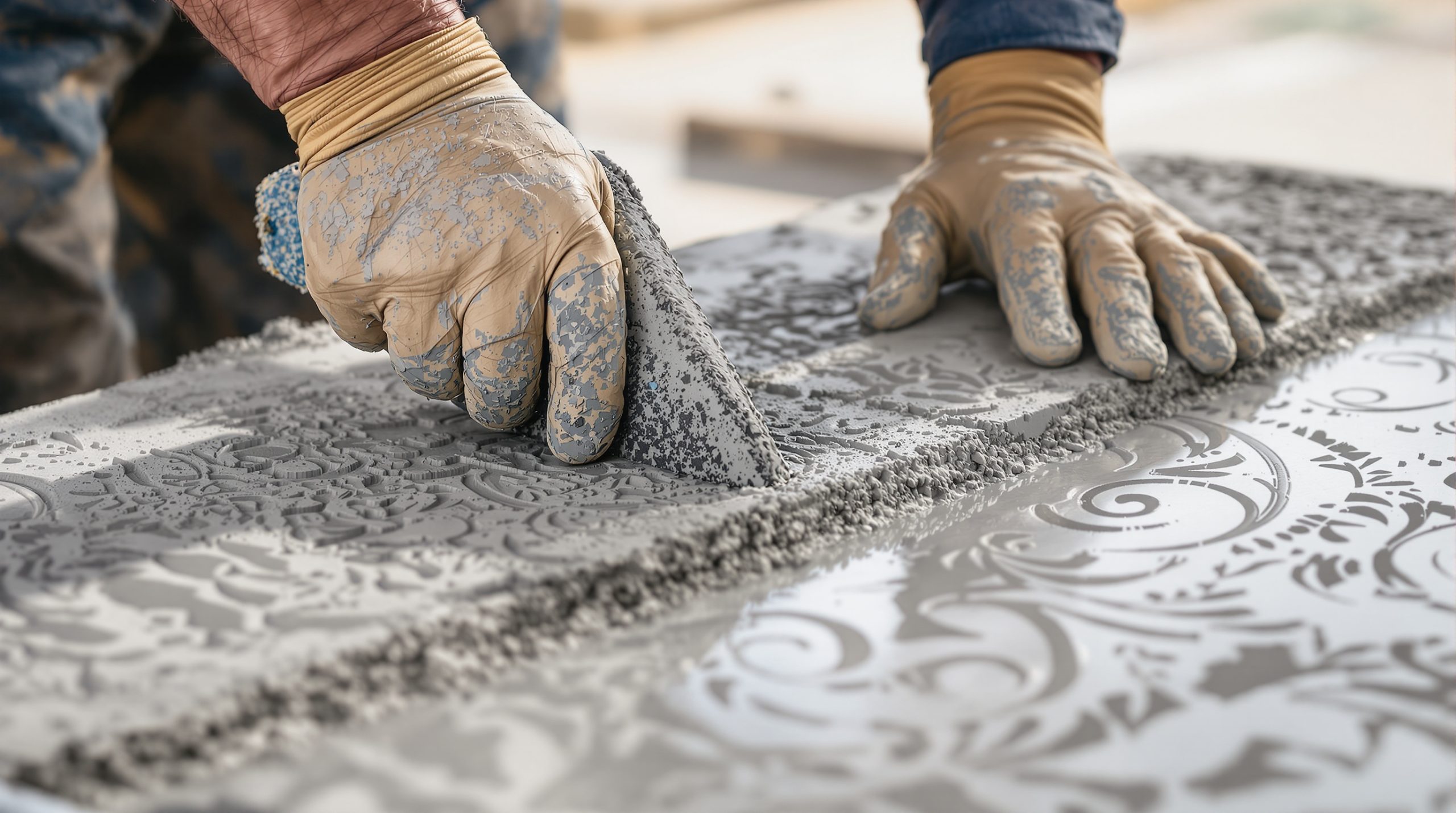
Stained concrete is not a coating applied on top of the surface, it is color worked into the concrete itself. BES handles the full process: surface assessment, proper prep, stain application, neutralizing, and sealing. New pours and existing slabs.
Acid Staining
A chemical reaction between a diluted hydrochloric acid solution and the minerals in concrete produces permanent, mottled color in earthy tones, tans, browns, terra cotta, soft greens, and blues. Each slab reacts slightly differently, so the result has natural variation you cannot replicate with paint or pigment. Acid stain is permanent, does not peel, and does not fade under UV.
Water-Based Staining
Acrylic pigment in a water carrier penetrates the concrete surface and bonds as it dries, no chemical reaction, more predictable color, and a much wider palette than acid stain. Water-based stain is the better choice when you want a consistent, specific color. It works on concrete that has not been previously sealed and requires the same surface preparation as acid stain.
Interior Concrete Floors
Garage floors, laundry rooms, basement slabs, and covered patio areas that are not directly exposed to weather. Interior staining is typically done with water-based stain for color control, topped with a film-forming sealer for durability and ease of cleaning. Existing garage floors are one of the most common staining projects we handle in San Diego County.
Exterior Patios & Driveways
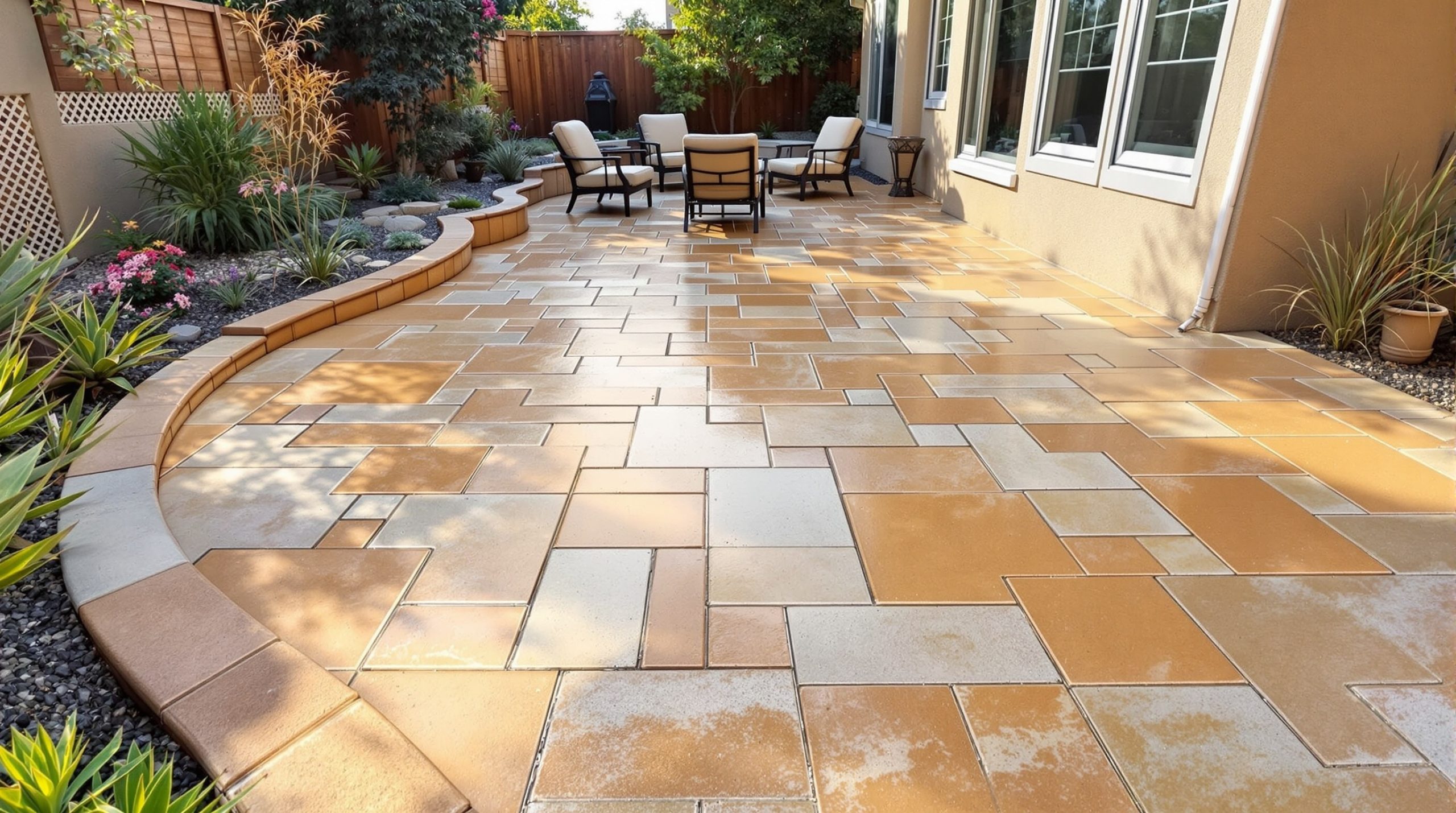
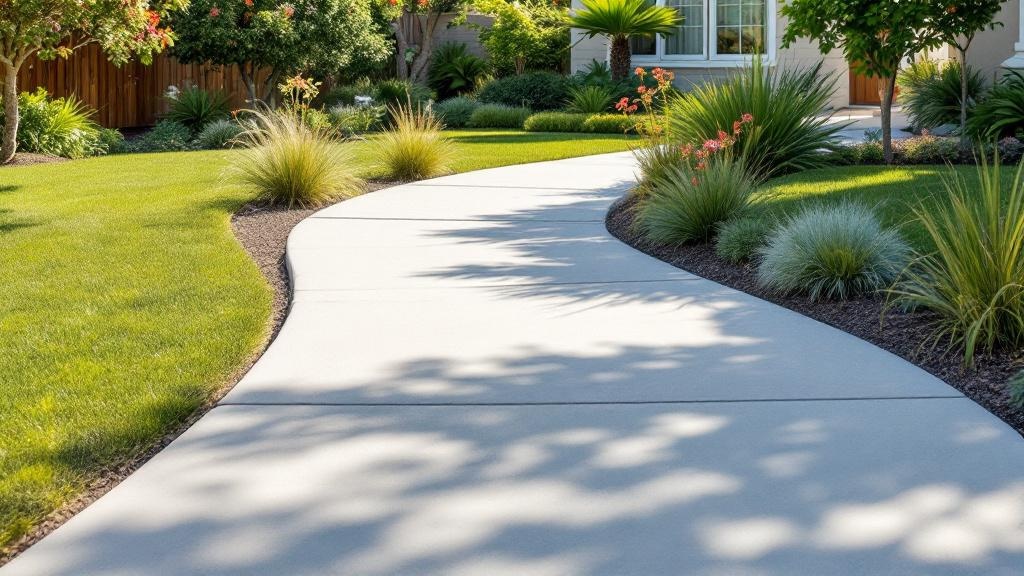
Open-air patios, driveways, walkways, and pool surrounds require UV-stable sealers and often a non-slip additive in the topcoat. Acid stain works well on exterior concrete because the color is locked in chemically, it does not fade the way paint or surface-applied coatings can. The sealer does need periodic renewal outdoors, typically every 2 to 4 years depending on sun exposure.
Four Steps to a Properly Stained Concrete Surface
Surface prep and sealer selection are where most staining projects succeed or fail. Here is how BES approaches it.
Surface Assessment
Stain only works on concrete that can absorb it. A slab that has been previously sealed, has oil contamination, or has a smooth hard-troweled finish may need additional prep or may not be a good candidate for staining at all. We assess the slab before quoting, running a simple water absorption test, and tell you honestly whether staining will give you the result you want. There is no point in recommending staining on concrete that will not absorb it.
Surface Preparation
The concrete has to be open-pored and clean for stain to penetrate evenly. Depending on the slab condition, that means either light diamond grinding or phosphoric acid etching, both remove the surface film and open the concrete. Any oil stains, adhesive residue, or paint must be addressed before the stain goes on, or they will create blotchy, uneven color. Surface prep is the step most DIY attempts skip, and it is usually why DIY staining jobs look bad.
Stain Application
Acid stain is sprayed or brushed onto the prepped surface and left to react for 1 to 4 hours depending on the desired depth of color. The metallic salts in the stain react with calcium compounds in the concrete and permanently alter the color at a molecular level. Water-based stain is rolled or sprayed in multiple coats, with drying time between coats. Neither type of stain is forgiving of skipped prep or rushed application, timing and temperature matter.
Neutralize, Rinse & Seal
After acid staining, the surface is neutralized with a baking soda and water solution, then thoroughly rinsed to remove all residue. Water-based stain just requires a clean rinse after the final coat. Once the surface is dry, the sealer goes on, penetrating (protective, matte, no film) or film-forming (sheen options from satin to gloss). For outdoor surfaces we include a non-slip additive in the sealer. We walk the finished surface with you before we pack up.
What Goes Into Concrete Staining Done Right
Concrete staining involves more chemistry than most surface finishes. The type of stain, the surface prep method, the neutralization process, and the sealer selection all interact, get one wrong and the result shows it. Here is what BES specifies on every staining project:
- Acid stainHydrochloric acid with dissolved metallic salts, iron, magnesium, copper. Reacts with calcium hydroxide in the concrete to form permanent color compounds. Color palette limited to earthy naturals: tans, browns, terra cottas, olive greens, soft blue-grays.
- Water-based stainAcrylic pigment in water carrier. Does not rely on a chemical reaction, so color is more consistent and predictable. 50+ color options including the earthy tones acid stain produces. Better choice when a specific color match is required.
- Surface preparationDiamond grinding (most controllable, no chemicals) or phosphoric acid etching (faster, adequate for most slabs). The choice depends on slab condition and what contamination is present. We assess and quote the right method at the site visit.
- NeutralizerBaking soda dissolved in water, used only after acid staining to stop the chemical reaction and raise the pH before rinsing. Skipping neutralization leaves acid residue under the sealer, which continues reacting and can cloud or discolor the finish.
- Sealer optionsPenetrating sealers (silane/siloxane or lithium silicate): protect without a surface film, matte finish, long service life. Film-forming acrylic or polyurethane sealers: sheen options, more surface protection, require periodic stripping and reapplication.
- Non-slip additiveAluminum oxide or polymer beads mixed into the sealer for exterior stained surfaces. Required on any exterior stained concrete that will see foot traffic when wet, stained concrete with a film-forming sealer can be slippery without it.
What Poway Homeowners Want to Know First
Cost, whether your existing slab qualifies, which stain type is right for your project, and what realistic results look like. Plain answers.
How much does concrete staining cost?
Applying stain to existing concrete typically runs $3 to $8 per square foot in San Diego County, depending on the surface prep required, stain type, and number of sealer coats. A plain garage floor that is already in clean condition is on the lower end. A patio with prior sealing or oil contamination that requires grinding before the stain can go on is on the higher end. These are estimates, we give you a firm written number after the free site visit.
Can I stain concrete that is already down?
Usually yes, if the slab meets three conditions: it has not been previously sealed, it has no significant oil or adhesive contamination, and it absorbs water (water poured on the surface should darken within 30 seconds). We run a quick field test during the quote visit. Slabs that have been previously sealed can sometimes be stained after the sealer is fully stripped or ground off, but that adds cost.
Will staining cover cracks or imperfections?
No, and this is the most common misunderstanding about concrete staining. Stain is translucent, not opaque. It enhances what is already there, it does not cover it. Cracks, pitting, patch marks, and old stains will still be visible after staining. Acid stain in particular highlights surface variation because of the mottling effect. If covering imperfections is the goal, an overlay system is a better option, a thin skim coat of polymer-modified concrete that creates a new surface for the stain.
How do the two stain types compare?
Acid stain produces a one-of-a-kind, mottled, organic look in earthy tones. You cannot pre-visualize the exact result because each slab reacts differently, which is part of the appeal for homeowners who want a natural, non-uniform look. Water-based stain gives you consistent, specific color from a wide palette. If you have a particular color in mind and need it to look consistent, water-based is the right choice. If you want organic variation and natural tones, acid stain delivers that.
How long does stained concrete last?
The stain itself, properly applied to well-prepped concrete, is essentially permanent. Acid stain becomes part of the concrete; it does not peel, chip, or fade in the way paint would. Water-based stain, also properly applied, is very durable. What degrades over time is the sealer, not the stain. When the sealer wears off, the concrete looks dull and unprotected. Resealing (not re-staining) restores the look. Outdoor surfaces typically need resealing every 2 to 4 years.
Is stained concrete slippery when wet?
It can be, especially with a high-gloss film-forming sealer. On any exterior stained surface, we include a non-slip additive in the sealer as standard practice. Interior stained floors are typically not an issue unless they are in wet areas like laundry rooms. If you are concerned about slip resistance, we specify a satin or matte sealer rather than gloss, and we can add non-slip aggregate to any sealer on request.
A Poway Crew That Handles the Full Process
Concrete staining is one of those services where the surface prep and sealer selection matter as much as the stain itself. BES has been doing decorative concrete work across San Diego County since 2016, Raymond and the same crew handle every step, from the absorption test at the quote visit to the final sealer coat.
- Surface assessment at every quote visit, we tell you if your slab qualifies
- Full process in-house: prep, stain, neutralize, seal
- Honest guidance on which stain type fits your project and budget
- Non-slip additive standard on all exterior stained surfaces
- Licensed (CSLB #1026938), insured, and BBB accredited since 2016
- Written quote covering prep, stain type, and sealer before any work starts
Decorative Concrete Projects in Poway & San Diego County
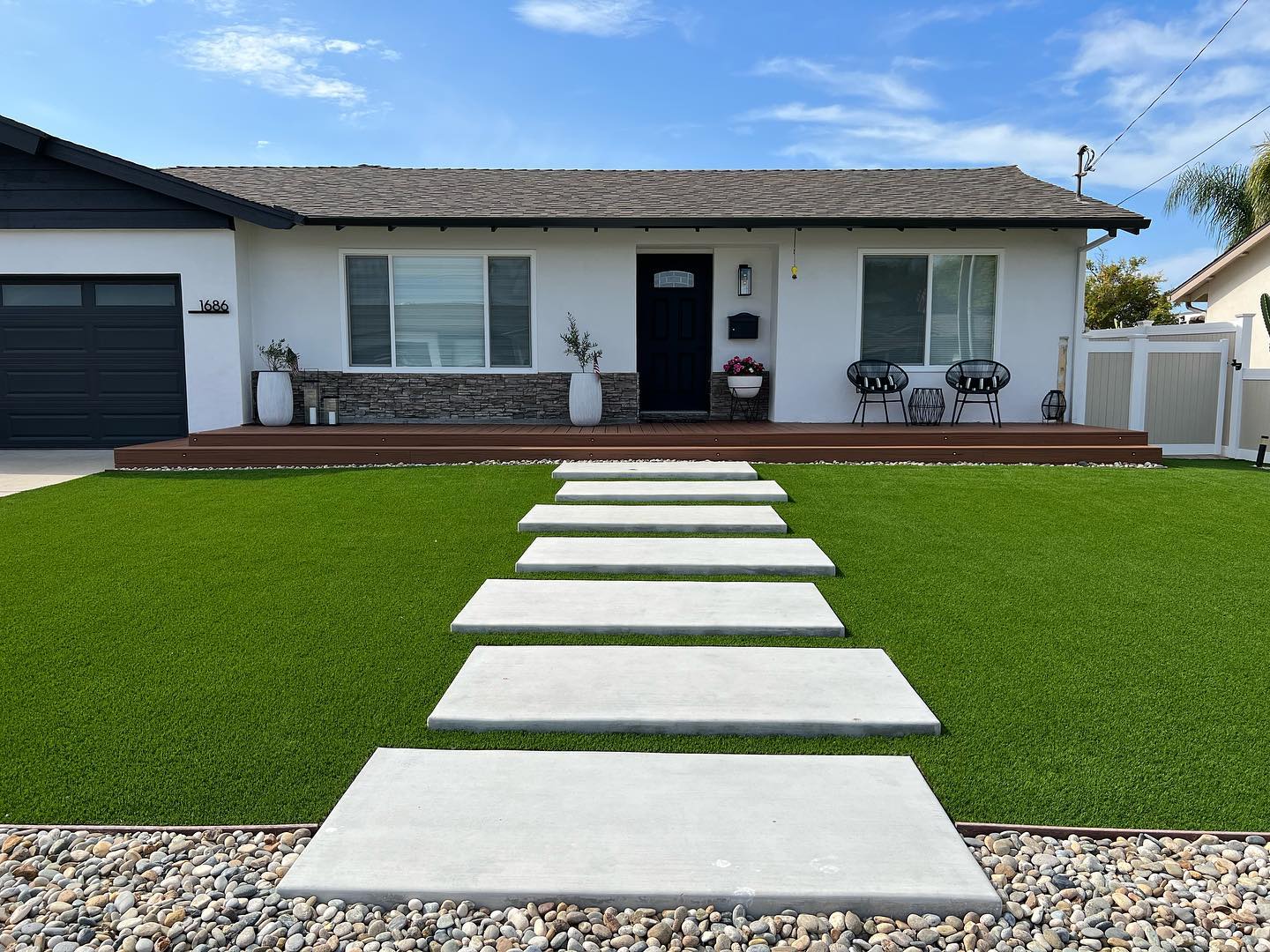
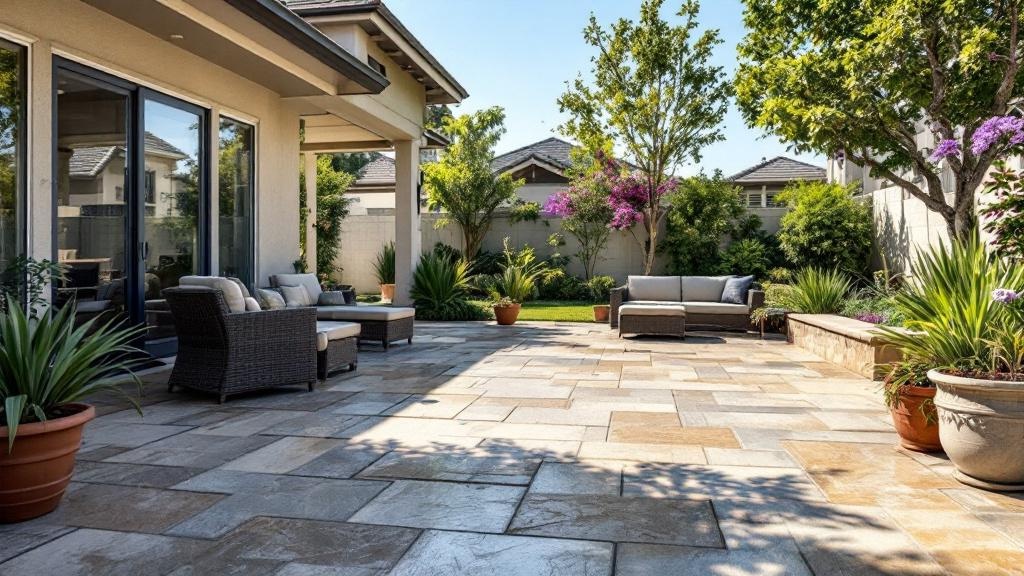
Concrete surfaces we have stained and sealed for homeowners across inland North County.
Questions Poway Homeowners Ask Before Calling
Can you stain existing concrete in Poway?
How much does concrete staining cost in Poway?
What is the difference between acid stain and water-based stain?
How long does stained concrete last?
Will stained concrete cover cracks and imperfections?
Is stained concrete slippery when wet?
How should I maintain stained concrete?
Related Concrete Services
Staining pairs well with scoring for design interest, or with resurfacing if your existing slab needs a fresh surface first.
Let’s Look at Your Concrete Staining Project
Free on-site visit, surface assessment included, written quote before we start. We check whether your existing slab qualifies and give you honest options.
Licensed & insured (CSLB #1026938) · BBB accredited #1087327 · Serving all of San Diego County from Poway