Paver Installation in Poway & San Diego County
Driveways, Patios & Walkways in Interlocking Pavers
Segmental paver installation: proper paver base, bedding sand, polymeric sand joints. Driveways, patio areas, walkways, and pool surrounds. BES does both poured concrete and paver work, we will tell you which makes more sense for your project.
Get a Free Paver Quote
Tell us about your project. We respond same day, usually faster.
Paver Installation for San Diego County Homeowners
Driveways, patios, walkways, and outdoor living surfaces in interlocking segmental pavers. BES handles the full installation scope: base excavation, compaction, bedding sand, paver setting, cutting, and polymeric sand jointing.
Paver Driveways
Interlocking pavers for a driveway give you the option of replacing individual units if one settles or cracks, which is not possible with a poured slab. The base prep is more involved than poured concrete, deeper excavation, compacted paver base, and a bedding sand layer, but the finished surface can be maintained and repaired in sections over its lifetime.
Patio & Outdoor Living Surfaces
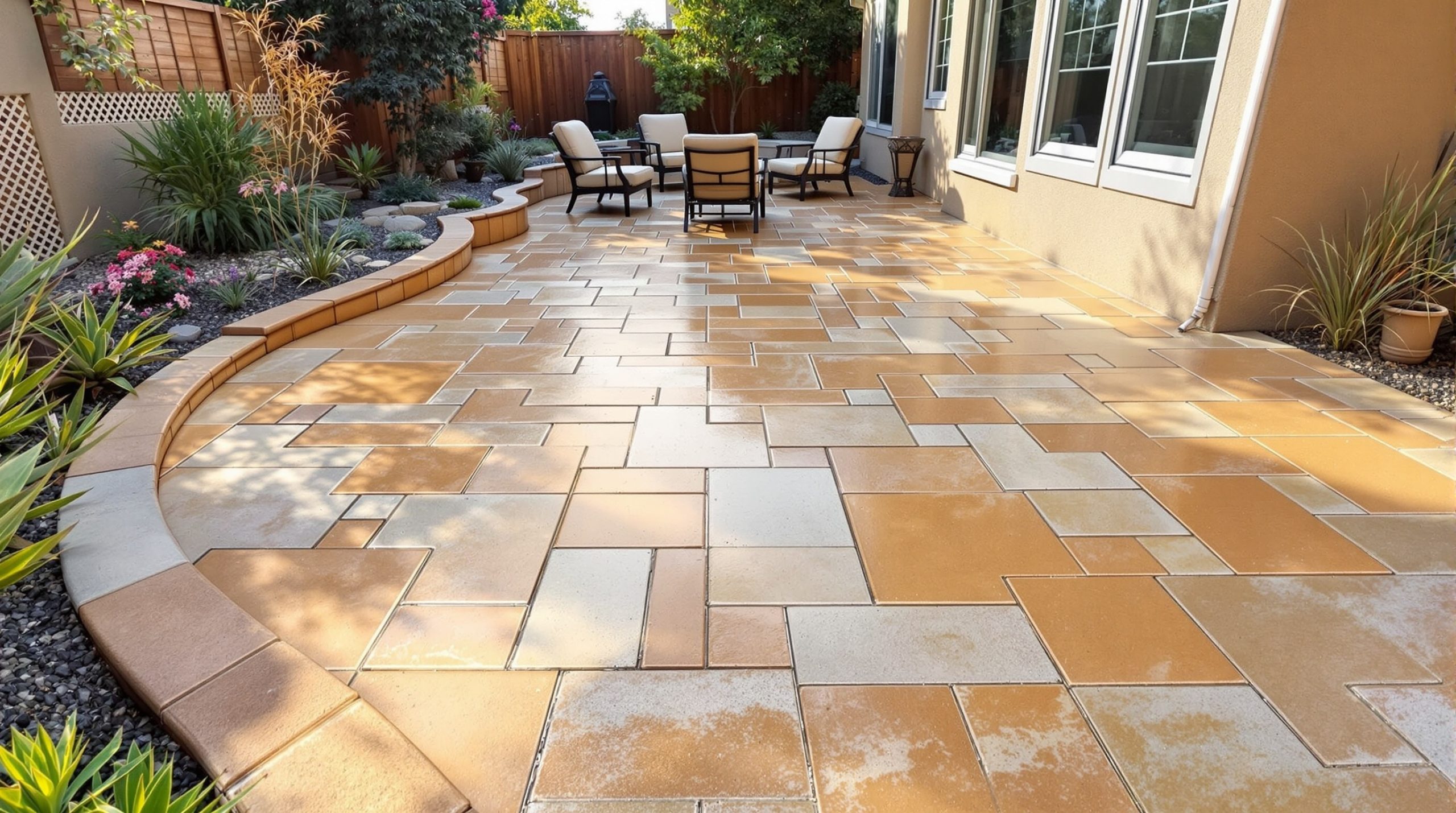
Paver patios and outdoor living areas are a natural fit for San Diego County homeowners who want a specific look that concrete alone cannot easily replicate. Tumbled pavers, travertine-look units, or standard concrete pavers in a herringbone or running bond pattern. BES installs the base, sand, and pavers as a complete scope.
Walkways & Entry Paths
A paver walkway from the driveway to the front entry, through a side yard, or around a pool area. Pavers can follow curves and grade changes more naturally than poured concrete forms. Edge restraints keep the border stable and the pattern intact without exposed form edges.
Permeable Paver Systems
Permeable interlocking pavers allow stormwater to pass through the joint and base layer rather than running off the surface. In San Diego County, permeable pavers can help manage stormwater in areas with drainage constraints. The base for permeable systems is open-graded aggregate rather than dense-graded base. BES can quote both standard and permeable installations.
How BES Installs a Paver Surface
Four steps, base to finish. The base is the whole game, pavers only stay flat and tight when what is under them was built right.
Site Measure & Material Selection
We come to the site, measure the project area, assess the existing grade and drainage, and discuss paver type, pattern, and color options. The base depth for pavers is typically greater than for poured concrete, you are accounting for the paver base aggregate, the bedding sand layer, and the paver thickness itself. Material choice affects total project depth and cost, and we walk through the options at the quote visit.
Excavation & Base Compaction
We excavate to the correct depth below finished grade, typically 8 to 10 inches to account for 6 inches of compacted paver base, 1 inch of bedding sand, and the paver thickness. Paver base material (class II or compactable aggregate base) is installed in lifts and compacted with a plate compactor to achieve a stable, non-settling foundation. This step is where paver installations fail when contractors cut corners. A properly compacted base is what keeps a paver surface flat and stable over time.
Bedding Sand, Paver Laying & Cutting
A 1-inch layer of coarse bedding sand is screeded level over the compacted base. Pavers are laid in the agreed pattern, working from a fixed corner or reference line outward. Edge cuts are made with a wet saw or splitter for clean joints at borders and curves. Edge restraints, plastic or aluminum bender board, are secured along the perimeter to keep the pattern stable and prevent lateral movement of border units.
Polymeric Sand & Final Compaction
Polymeric sand is swept into the paver joints and activated with a light water application. Polymeric sand hardens when cured, resisting insect intrusion, weed germination, and joint washout from irrigation or rain. After the polymeric sand sets, the surface gets a final compaction pass with a plate compactor fitted with a rubber pad to set the pavers without damaging the surface. We walk the finished project with you before we leave.
What Goes Into a Paver Installation That Stays Flat
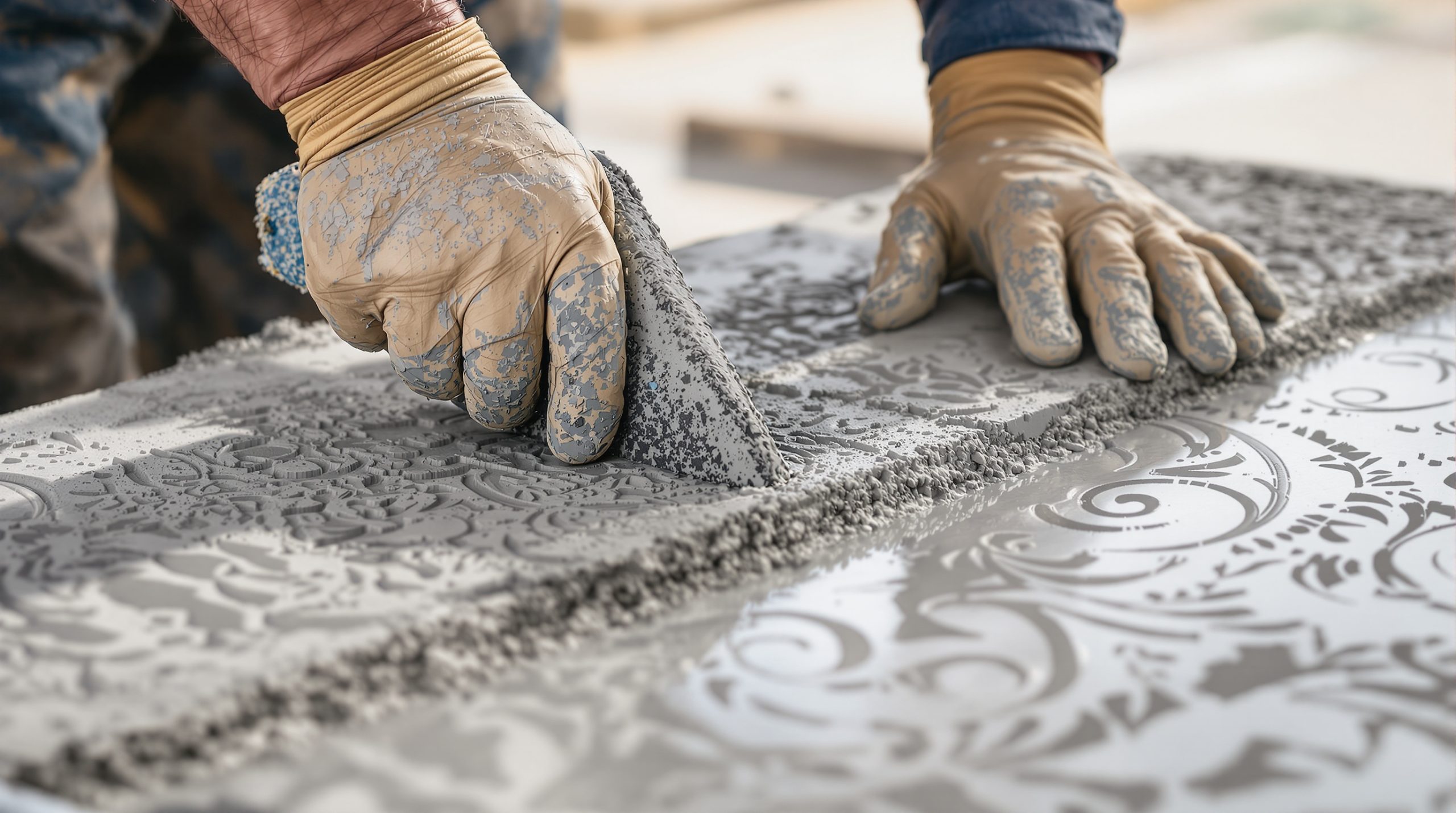
A paver installation is only as good as its base. Most paver failures, settling units, a section that tips toward the house, joints that wash out after the first rainy season, trace back to base shortcuts taken during installation. Here is what BES specifies on every paver project:
- Paver unitsConcrete interlocking pavers (the most common choice for driveways and patios), tumbled concrete pavers, natural travertine, or permeable paver units. Paver thickness is typically 2.375 inches (60mm) for pedestrian areas and 3.125 inches (80mm) for driveway applications. Material and thickness are confirmed at the site visit.
- Paver base aggregate4 to 6 inches of compacted class II or compactable aggregate base below the bedding sand. This is the structural layer, it carries the load and keeps the surface from settling. The base depth is sized to the application (pedestrian walkway vs. vehicle driveway).
- Bedding sand1 inch of coarse, uncompacted washed concrete sand screeded level over the base. Pavers are laid on top and set into the sand during the final compaction. Do not substitute with fine or polymeric sand for the bedding layer, wrong sand type is a common installation error.
- Polymeric sandApplied to the joints after the pavers are set. Activates and hardens with water, binding the joint material so it resists insects, weeds, and washout. Requires the surface to be dry when applied and must be wetted precisely per manufacturer instructions to avoid hazing the paver surface.
- Edge restraintsPlastic or aluminum bender board secured with spikes along the perimeter of the installation. Prevents lateral creep of the border pavers and keeps the pattern dimensions stable over time. A well-installed edge restraint is invisible once the project is done.
- Permeable base (optional)For permeable paver installations, the dense-graded base is replaced with open-graded aggregate that allows water to pass through the base layer. Only applicable where a permeable system is specified and the subgrade drainage supports it.
Pavers vs. Concrete and Other Questions Worth Answering First
Cost comparison, longevity, weeds, individual repairs, and permits. Straight answers so you can make a real decision.
Pavers vs. poured concrete, which is better?
They are different products for different priorities. Poured concrete is generally less expensive per square foot and cures to a single monolithic surface. Pavers cost more upfront but allow individual unit replacement if one settles, cracks, or stains. Pavers also give you more pattern and color flexibility than plain concrete. Neither is objectively better, it depends on your budget, aesthetic preference, and how much flexibility you want for future repairs. BES does both and will give you a straight comparison.
How much do pavers cost compared to concrete?
Paver installation typically costs more per square foot than a basic broom-finish concrete pour, due to the deeper base, more material, and more labor-intensive installation process. The gap narrows or reverses when comparing pavers to stamped or decorative concrete. BES quotes both options side by side when appropriate so you can make an informed decision with real numbers rather than guesses.
How long do pavers last?
Concrete pavers have a compressive strength typically exceeding 8,000 PSI, significantly higher than most residential poured slabs. A properly installed paver system with a good base can outlast a poured concrete surface. The key variable is base installation quality: pavers installed over an improperly compacted base will settle and shift regardless of the paver material quality.
Will weeds grow through the joints?
With standard sand joints, eventually yes. Polymeric sand significantly reduces weed germination and joint washout. Over time, polymeric sand will need to be refreshed in high-use areas, but this is straightforward maintenance. It is a much smaller problem than it was before polymeric sand was widely available.
Can individual pavers be replaced if one settles or cracks?
Yes, this is one of the primary practical advantages of pavers over poured concrete. If a section settles or a paver unit cracks, the affected units can be pulled, the base re-leveled, and new pavers reset. With poured concrete, a settled or cracked section requires saw-cutting, breaking out, and re-pouring, and the patch almost never matches the surrounding surface.
Do I need a permit for a paver driveway or patio in Poway?
Permit requirements for paver installations in the City of Poway and San Diego County depend on the scope and the use. Driveway approaches that connect to a public street typically require a permit. Patio areas within the property may not. BES confirms the permit requirement for your specific address and scope at the quote visit and handles the application when needed.
A Poway Crew That Does Pavers and Concrete Both
Most concrete contractors do concrete. Some paver installers do pavers. BES does both, which means Raymond can give you a real comparison for your specific project rather than a sales pitch for whichever product happens to be their specialty.
- Side-by-side paver and poured concrete quotes on the same site visit
- Proper base excavation and compaction on every installation
- Polymeric sand joints as standard, not plain sand that washes out
- Licensed (CSLB #1026938), insured, and BBB accredited since 2016
- Written quote with base depth, paver spec, and pattern before work starts
- Full cleanup and site walkthrough before the crew leaves
Projects in Poway & San Diego County
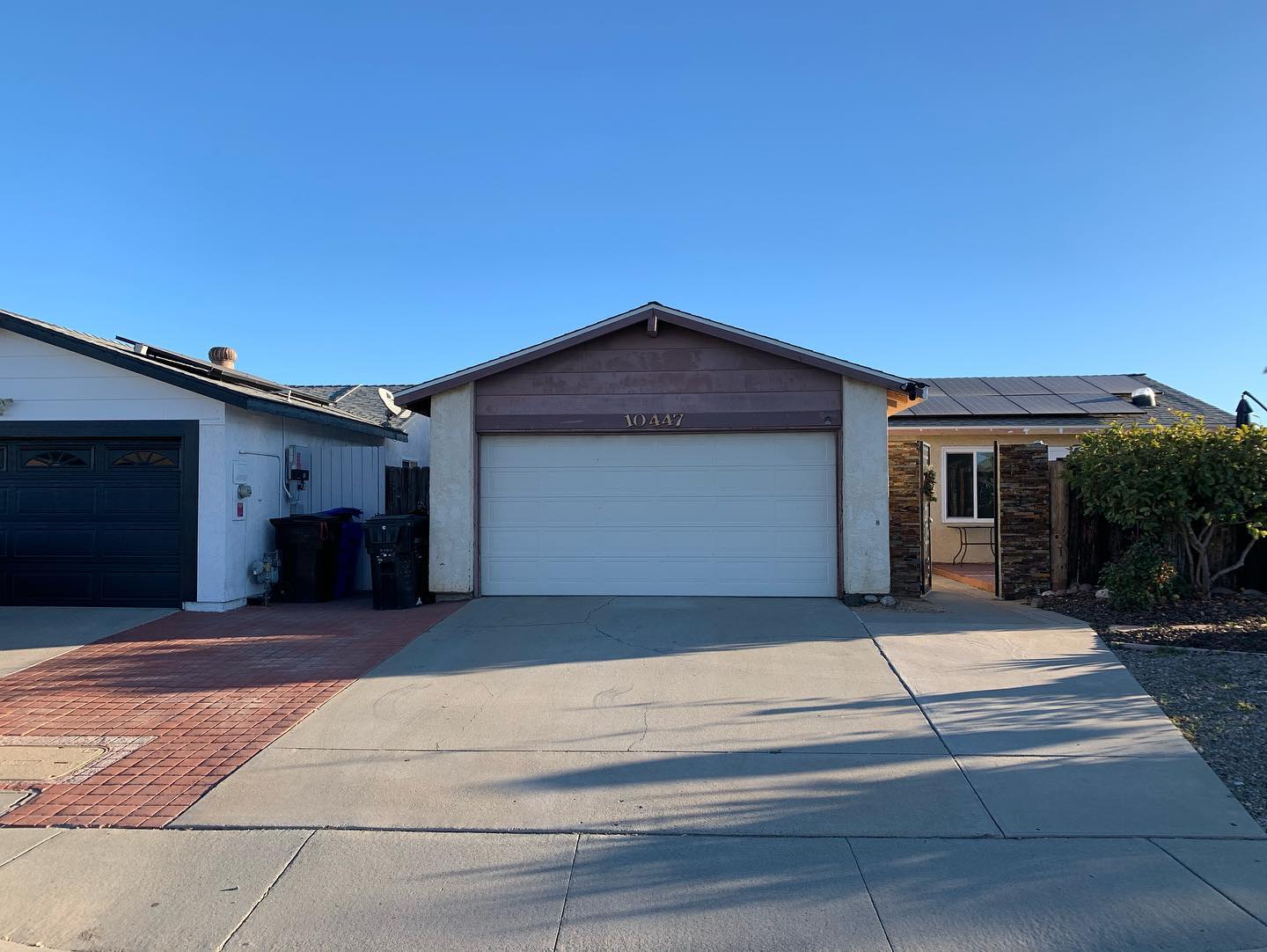
Finished hardscape from BES jobs across inland North County.
Questions Poway Homeowners Ask About Pavers
What is the difference between pavers and poured concrete?
How much does paver installation cost in Poway?
How deep does the base need to be for pavers?
What patterns are available for paver installation?
Do pavers hold up to vehicle traffic?
What is polymeric sand and why does it matter?
Can pavers be installed over an existing concrete slab?
Related Services
If poured concrete makes more sense for your project than pavers, or if you want to compare stamped concrete as a decorative option, these pages cover each service in the same detail. Same crew, same written-quote standard.
Let’s Talk Through Your Paver Project
Free on-site visit. We can quote pavers, poured concrete, or both so you can make an actual decision with real numbers. No obligation.
Licensed & insured (CSLB #1026938) · BBB accredited #1087327 · Serving all of San Diego County from Poway