Concrete Sealing in Poway & San Diego County
The Right Sealer for Your Surface. Honest Recoat Intervals.
Acrylic, penetrating siloxane, and epoxy floor coatings for driveways, patios, stamped concrete, and garage floors across San Diego County. Not a one-time fix, we tell you what to expect up front.
Get a Free Sealing Quote
Tell us what surface you need sealed. We respond same day, usually faster.
Concrete Sealing Services for San Diego County Homes
The right sealer depends on the surface type, what it is exposed to, and what you are trying to protect. BES specifies the product that fits the job, not the one with the highest margin.
Driveway & Exterior Flatwork Sealing
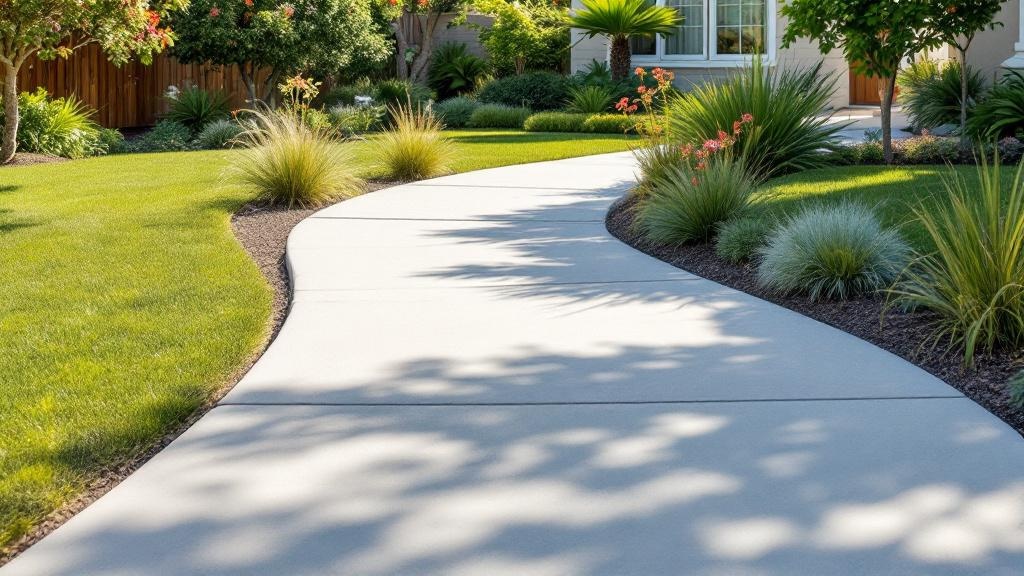
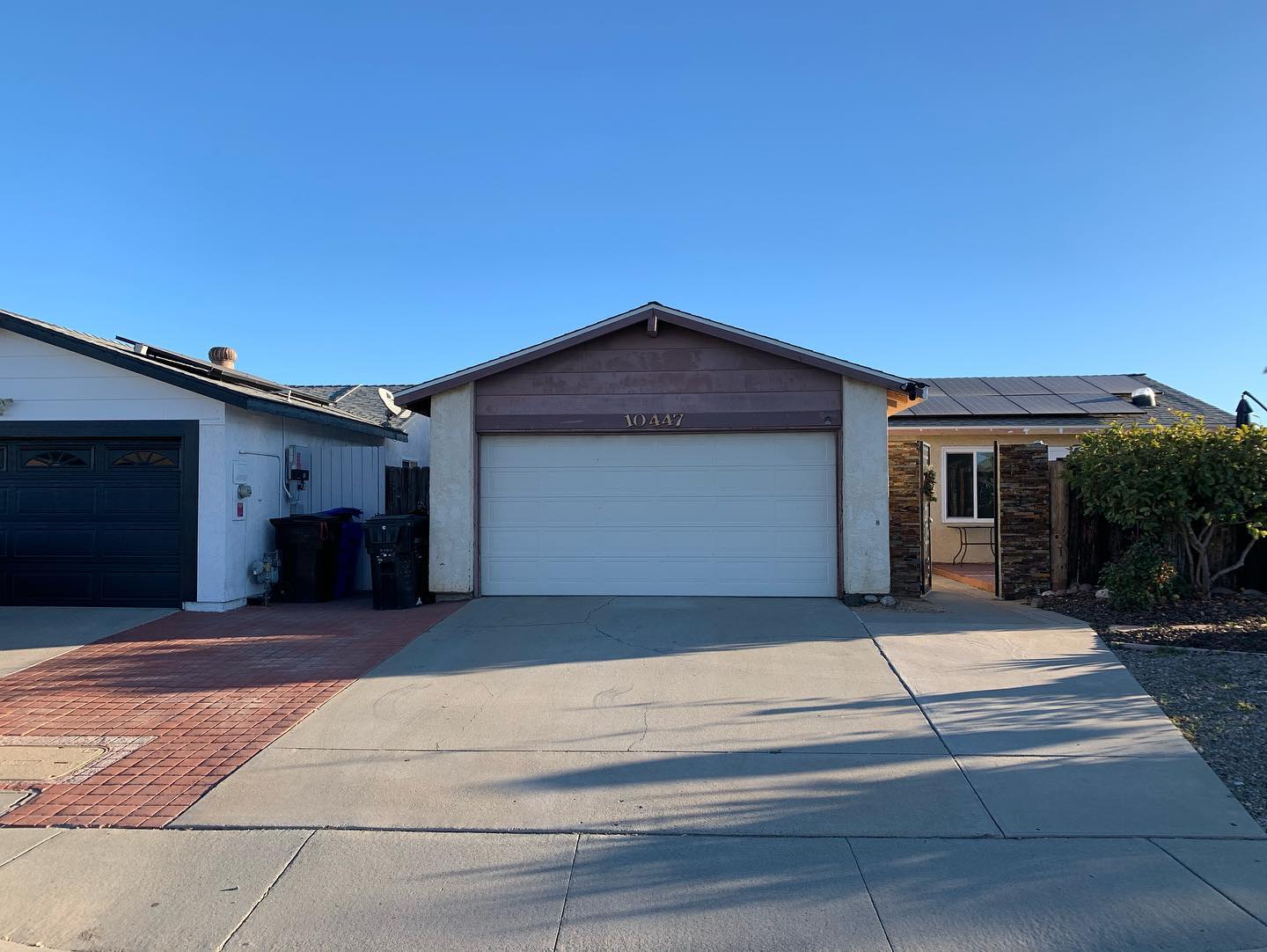
Penetrating acrylic or siloxane sealer for plain and decorative driveways, sidewalks, and exterior slabs. Protects against oil stains, water penetration, and UV-driven color fade. San Diego's sun breaks down acrylic surface sealers faster than most homeowners expect.
Patio & Pool Deck Sealing
Film-forming or penetrating sealers for patios, pool decks, and outdoor living slabs. Pool deck sealing needs a sealer that handles constant moisture exposure without peeling. We specify the right product for the surface conditions.
Stamped & Decorative Concrete Sealing
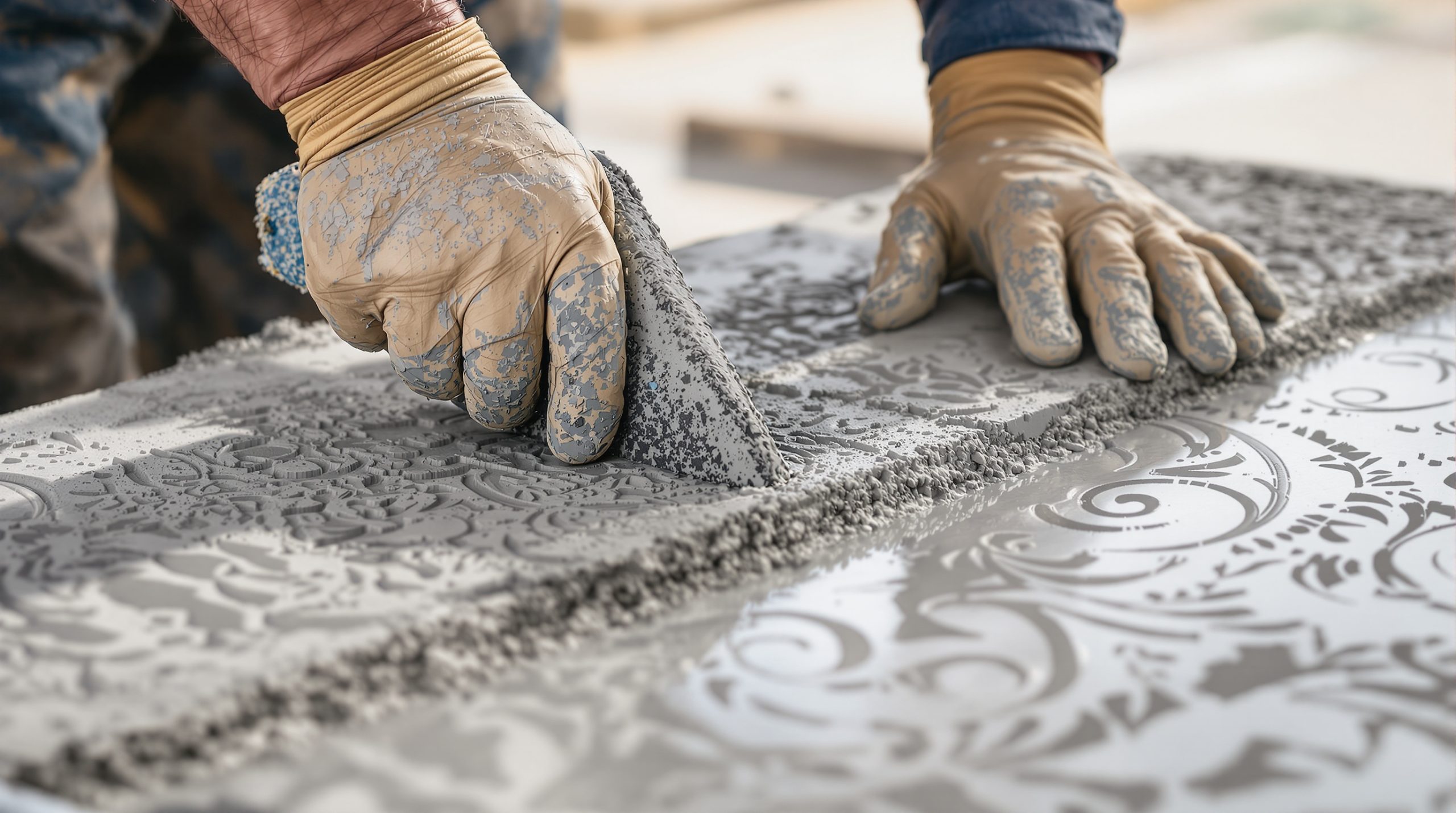
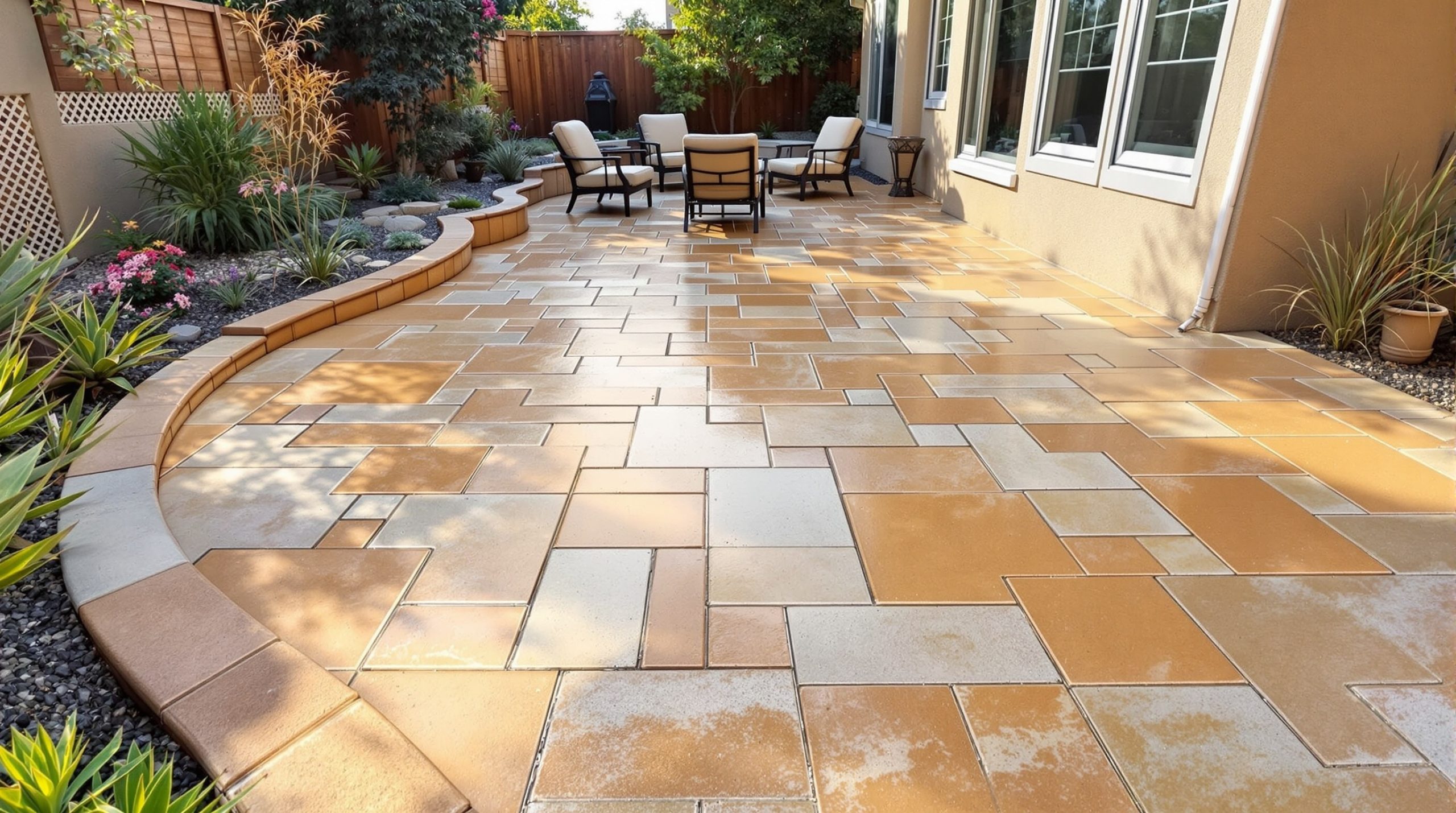
Stamped and colored concrete needs sealing more than plain gray concrete does, because the color and texture are what you are protecting. We use UV-stable sealers for decorative work and can add a non-slip aggregate if the surface is in a wet traffic area.
Garage Floor Sealing & Epoxy Coatings
Garage floors take oil drips, tire traffic, and moisture from below. A penetrating silane sealer handles waterproofing; an epoxy coating adds a hard surface layer with color options. Different application and prep requirements from exterior work.
What Goes Into a Concrete Sealing Job Done Right
Surface assessment first, then prep, then application. Most sealer failures come from skipping one of these steps.
Surface Assessment
We check the concrete's age and condition, look for existing sealer (old acrylic sealers can prevent new product from bonding properly), note any cracks or damage, and identify the surface type. Cracks or damage get addressed before sealing, sealer does not fix structural problems and will not seal over active cracks cleanly.
Surface Prep & Cleaning
Concrete must be clean, dry, and free of oil, dirt, and old sealer residue before any new product goes down. For driveways and exterior slabs, that typically means pressure washing and allowing adequate dry time. Garage floors getting an epoxy coating need mechanical surface profiling so the coating bonds properly.
Sealer Application
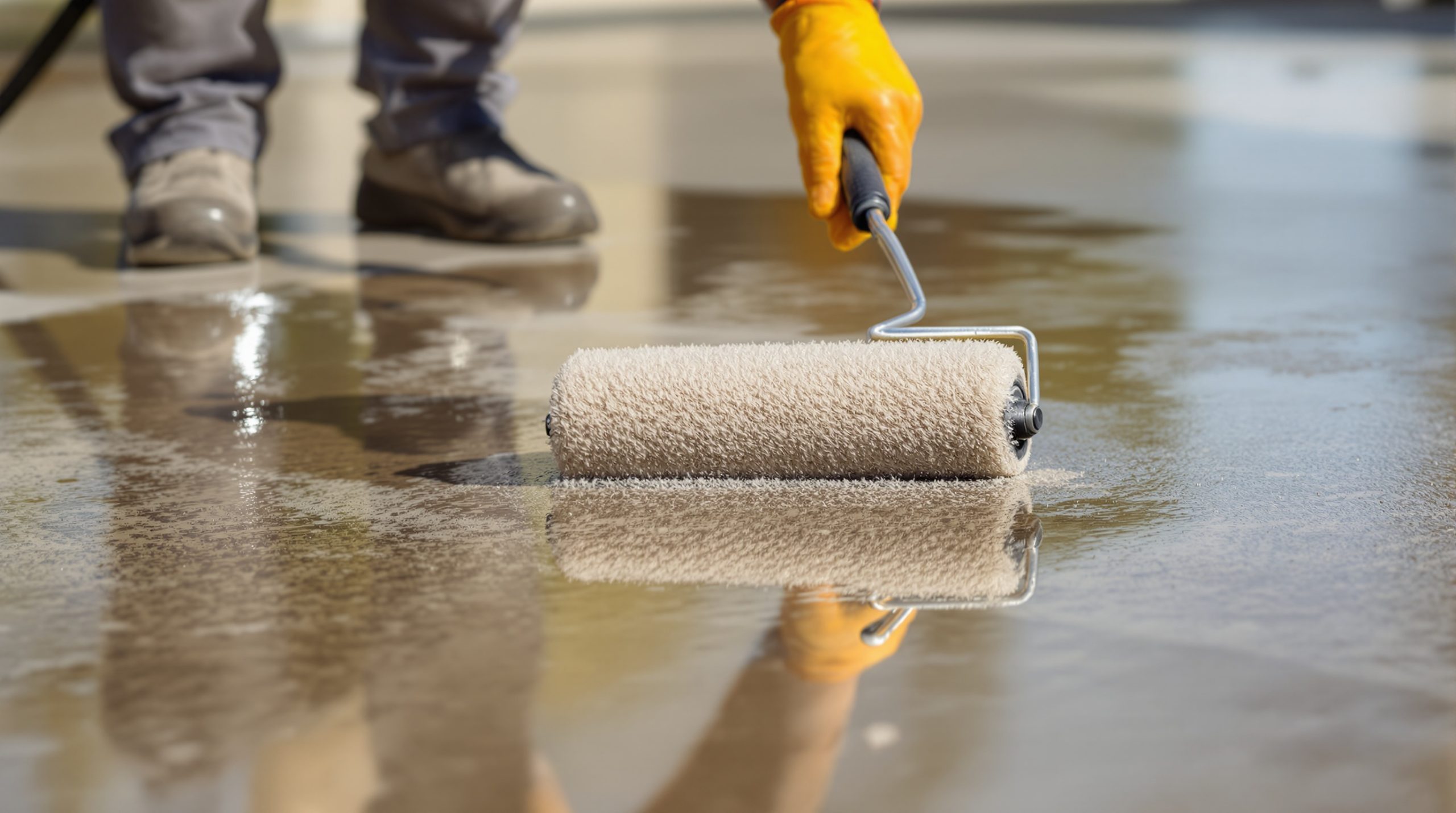
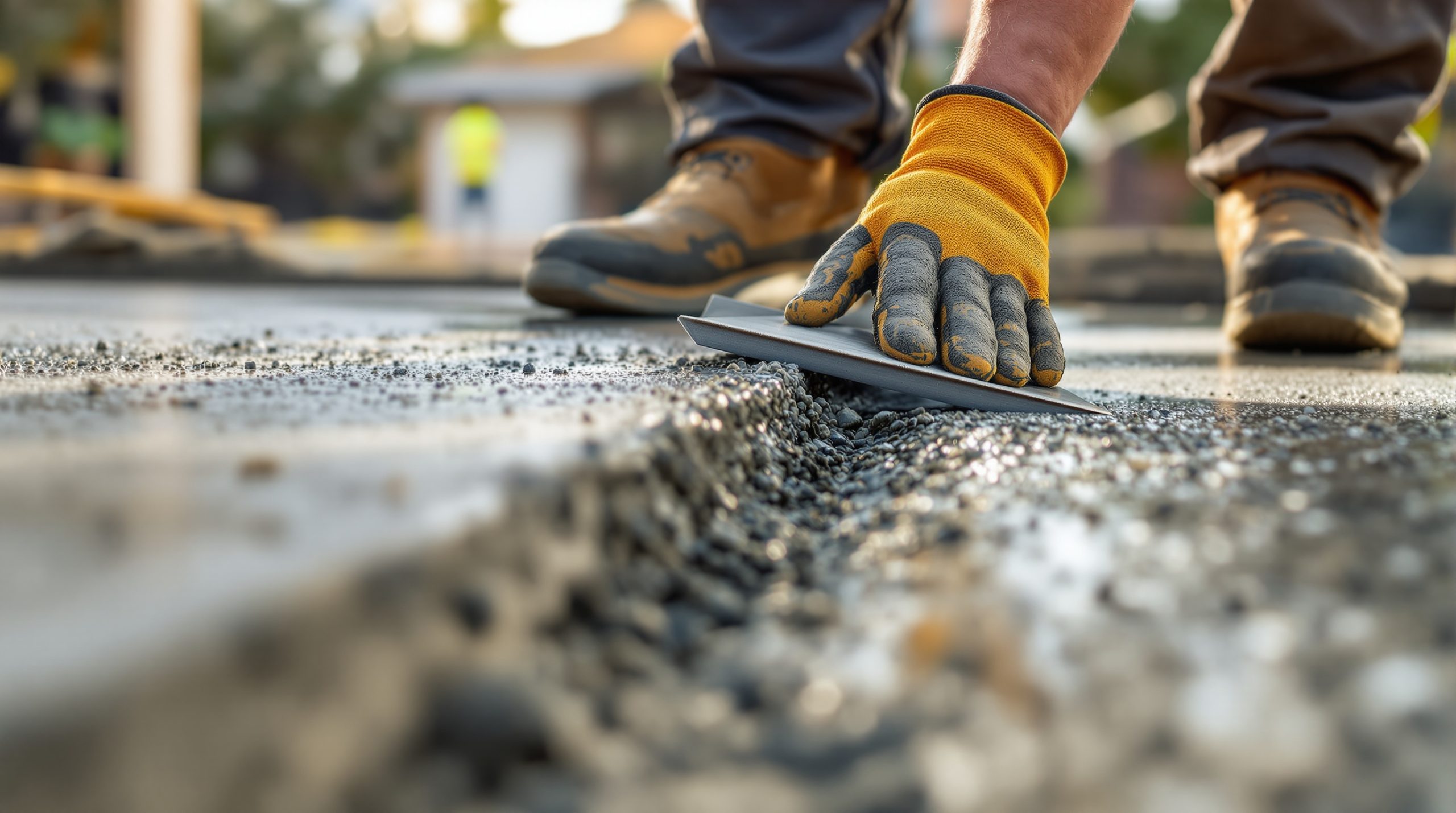
Most exterior sealers go on by roller or low-pressure sprayer in thin, even coats. Thin coats bond better and last longer than thick ones. We apply two coats on decorative and stamped work, allowing the correct flash time between coats per the product spec. Rushing this step is where bubbling and adhesion failures come from.
Cure & Traffic Guidance
Walk-on time is typically 24 hours for most acrylic sealers. Vehicle traffic should wait 72 hours minimum. We give you the specific timeline for the product applied on your surface before we leave. For garage floor epoxy coatings, cure time is longer and we go over exactly what the first week of use should look like.
Picking the Right Sealer Is Half the Job
There is no single "concrete sealer." An acrylic that works well on a stamped patio will peel off a garage floor within a year. A penetrating siloxane applied to decorative work will waterproof it but do nothing for the color. San Diego County's UV exposure degrades surface sealers faster than most homeowners are told up front. Here is how BES thinks about sealer selection:
- Acrylic sealerFilm-forming surface sealer. Good UV resistance at initial application. In San Diego County's direct sun, exterior acrylic sealers typically need recoating every 2 to 3 years as UV breaks down the film. Enhances the color of stamped and decorative work.
- Penetrating siloxane / silane sealerSoaks into the concrete pore structure and waterproofs from within without forming a surface film. Longer service life than acrylic, typically 5 to 7 years before recoating. Does not enhance or change the surface appearance. Better choice for driveways with heavy tire traffic, where a film sealer is more prone to peeling.
- Epoxy floor coatingTwo-component epoxy applied to garage and indoor concrete floors. Forms a hard, chemical-resistant surface layer. More prep required: concrete must be profiled (ground or acid-etched) for the epoxy to bond. Much longer service life than acrylic if prep is done correctly.
- Non-slip aggregateSilica sand or aluminum oxide added to the final coat of a sealer or coating in wet or slope areas. Can be added to pool deck sealers, entry areas, and garage floors to reduce slip risk without changing the visible appearance significantly.
- Surface prep materialsDegreaser, pressure washing, mechanical surface profiling for epoxy. Skipping prep is the most common cause of sealer failure. We do not seal over dirty, contaminated, or improperly dried concrete.
Honest Answers About Concrete Sealing
Cost, recoat intervals, whether your concrete actually needs sealing, and what to do about cracks. Straight answers before you pick up the phone.
How much does concrete sealing cost?
Exterior sealing (driveways, patios) typically runs $0.75 to $2.50 per square foot depending on the surface condition, product used, and whether prep work is needed. Garage floor epoxy coatings run higher because of the surface profiling and two-component product involved. A written quote after seeing the surface is the only accurate number.
How often do I need to reseal?
For exterior acrylic sealers in San Diego County's UV exposure and heat, plan on recoating every 2 to 3 years. Penetrating siloxane sealers last 5 to 7 years. Epoxy garage coatings last considerably longer if prep was done right. Sealing is maintenance, not a one-time treatment.
Does my concrete actually need to be sealed?
Plain gray concrete can go unsealed if you are not concerned about oil staining or surface wear. Decorative and stamped concrete should be sealed, the color and texture you paid for are what you are protecting. Pool decks and garage floors benefit most from sealing given what they are exposed to. We will tell you honestly if sealing is worth it on your specific surface.
Can I seal cracked or damaged concrete?
Cracks should be addressed before sealing, not covered by it. A sealer does not seal across an active crack and will not prevent a crack from moving further. If there is visible cracking, we look at it during the assessment and let you know whether repair should happen first. For hairline dormant cracks, we can discuss what options make sense.
Will the surface be slippery after sealing?
Film-forming sealers on horizontal surfaces can reduce traction when wet, particularly on pool decks and entry steps. We can add a non-slip aggregate to the final coat on any area where slip risk is a concern. This is worth discussing before we quote the job so it is in scope.
How long until I can use the surface?
Walk-on time for most exterior sealers is 24 hours. Vehicle traffic on a sealed driveway should wait 72 hours. Garage epoxy coatings have a longer cure window and we give you the specific guidance for the product used. We do not leave a job without giving you a clear timeline.
A Poway Crew That Gives You the Honest Picture on Sealing
BES has been working with concrete across San Diego County since 2016. We know how quickly UV and heat cycle through surface sealers out here. We specify the product that is right for your surface and tell you what to expect on recoat intervals before we take the job.
- Sealer type matched to surface, not the same product on every job
- Honest recoat intervals based on San Diego County's actual UV conditions
- Surface assessment before any quote, cracks flagged, not ignored
- Licensed (CSLB #1026938), insured, and BBB accredited since 2016
- Written quote before we start, that price when we finish
- Traffic timeline given at job completion, you know exactly when to use the surface
Concrete Projects in Poway & San Diego County
Surfaces we have worked on for homeowners across inland North County.
Questions Poway Homeowners Ask About Sealing Their Concrete
How often should I seal my concrete driveway in San Diego?
What is the difference between acrylic sealer, penetrating sealer, and epoxy?
How much does concrete sealing cost in Poway?
Does sealing concrete prevent cracks?
Do I need to seal decorative or stamped concrete?
How do I know if my concrete needs to be resealed?
Can you seal concrete that has an existing old sealer on it?
How long does it take to seal a concrete driveway or patio?
Related Concrete Services
Sealing is often paired with a new pour, a decorative upgrade, or a resurfacing project. Same crew, same written-quote standard.
Let's Look at Your Concrete and Pick the Right Sealer
Free surface assessment, written quote, honest recoat expectations. No pressure, no obligation, just a straight look at what your concrete needs.
Licensed & insured (CSLB #1026938) · BBB accredited #1087327 · Serving all of San Diego County from Poway