Colored & Integral Concrete in Poway & San Diego County
Color Through the Whole Slab, Not Just the Surface
Integral pigment, color hardener, and acid stain for driveways, patios, and walkways across San Diego County. Three different techniques with three different results, we tell you what each one actually does.
Get a Free Color Concrete Quote
Tell us about your project and color ideas. We respond same day, usually faster.
Colored Concrete Options for San Diego County Homes
Three different techniques, three different results, and real differences in durability and maintenance. BES walks through the options with you so the choice fits your project and your expectations.
Integral Color Concrete
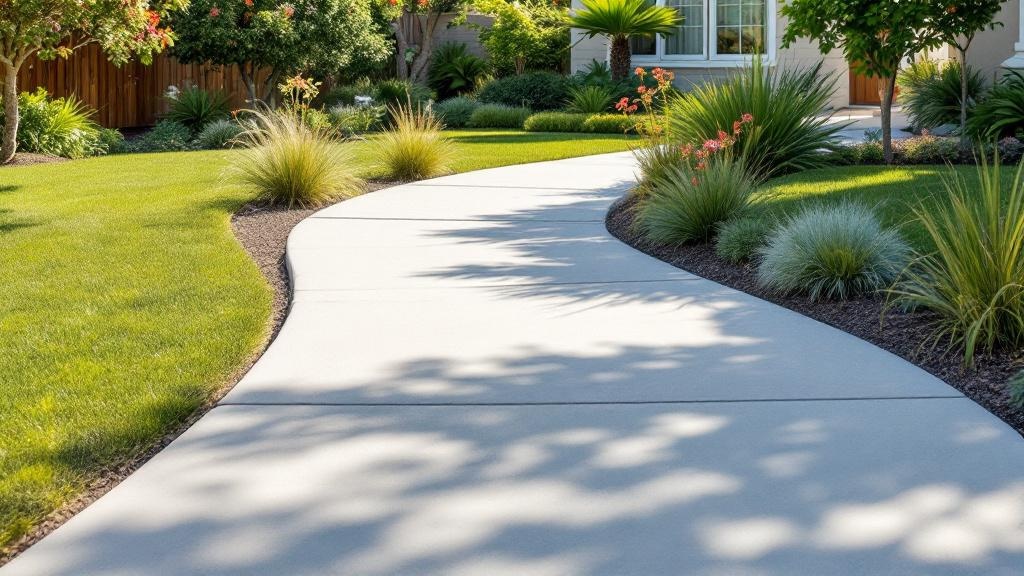
Iron oxide pigment is added to the concrete mix before it is poured. The color goes all the way through the slab. If the surface chips or wears, the concrete underneath is the same color, no white concrete showing through. More subtle and uniform than surface coloring methods.
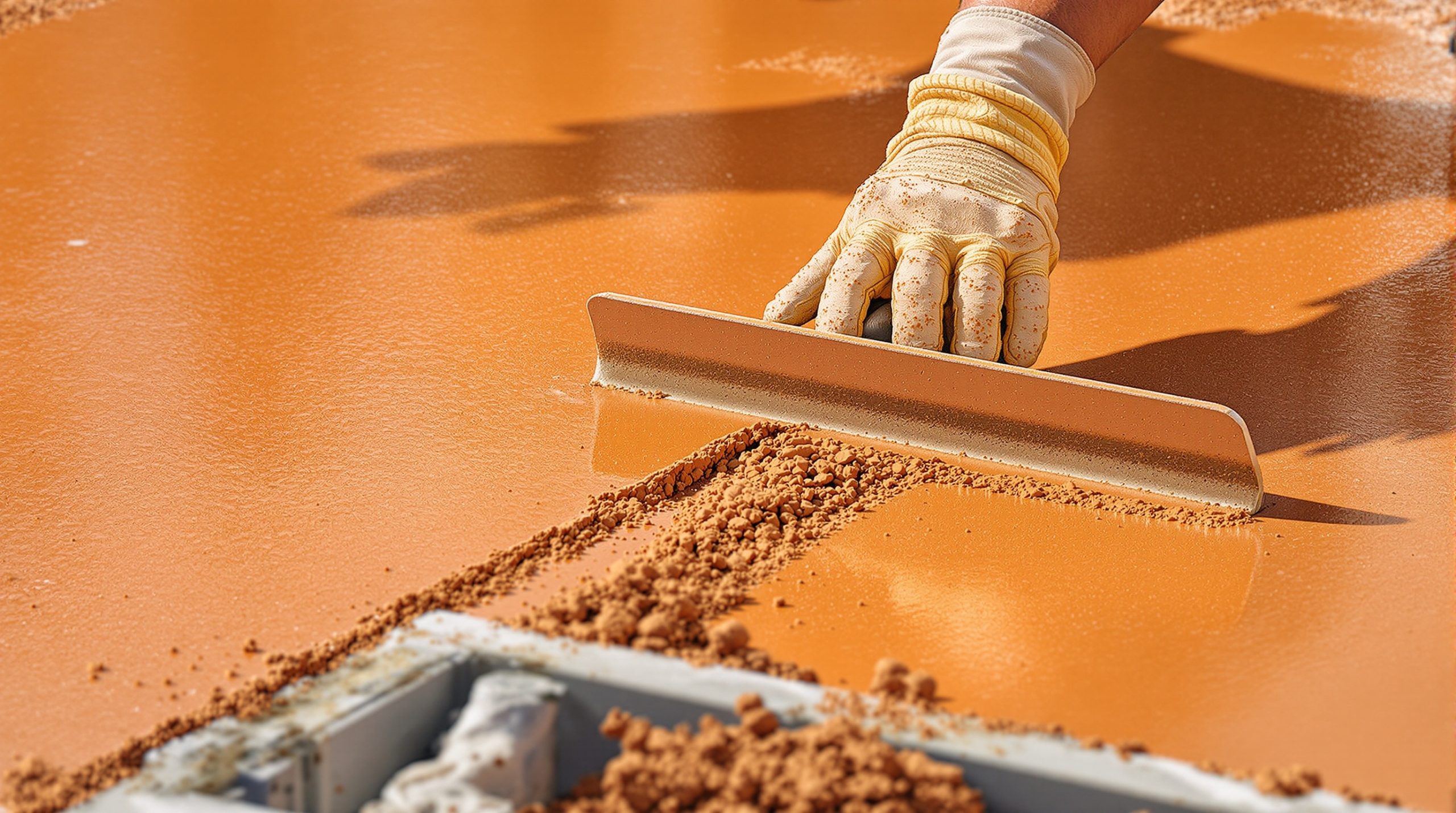
Color Hardener Surface Application
A dry-shake powder broadcast onto the concrete surface during floating and worked in. Produces a more intense, richer color than integral alone. Only at the surface, chips will show gray concrete underneath. Often used with stamped concrete for a high-color effect.
Acid Stain on Existing Concrete
A chemical reaction between the stain and the concrete's calcium compounds creates permanent, mottled color variation, no two slabs stain exactly the same. Works on existing cured concrete. Good for homeowners who want to change the look of an existing plain slab without removing it.
Integral Color + Stamped Combination
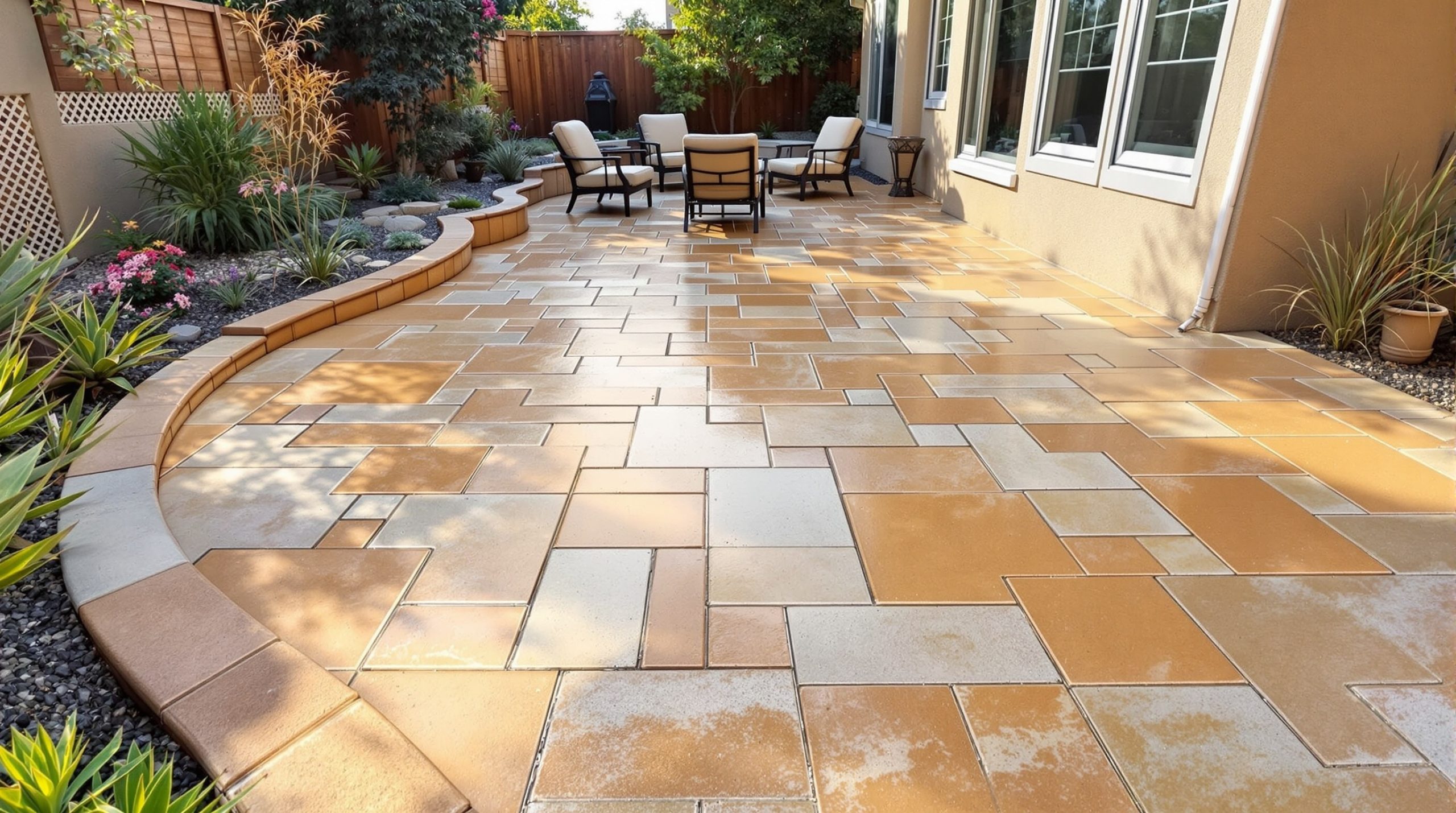
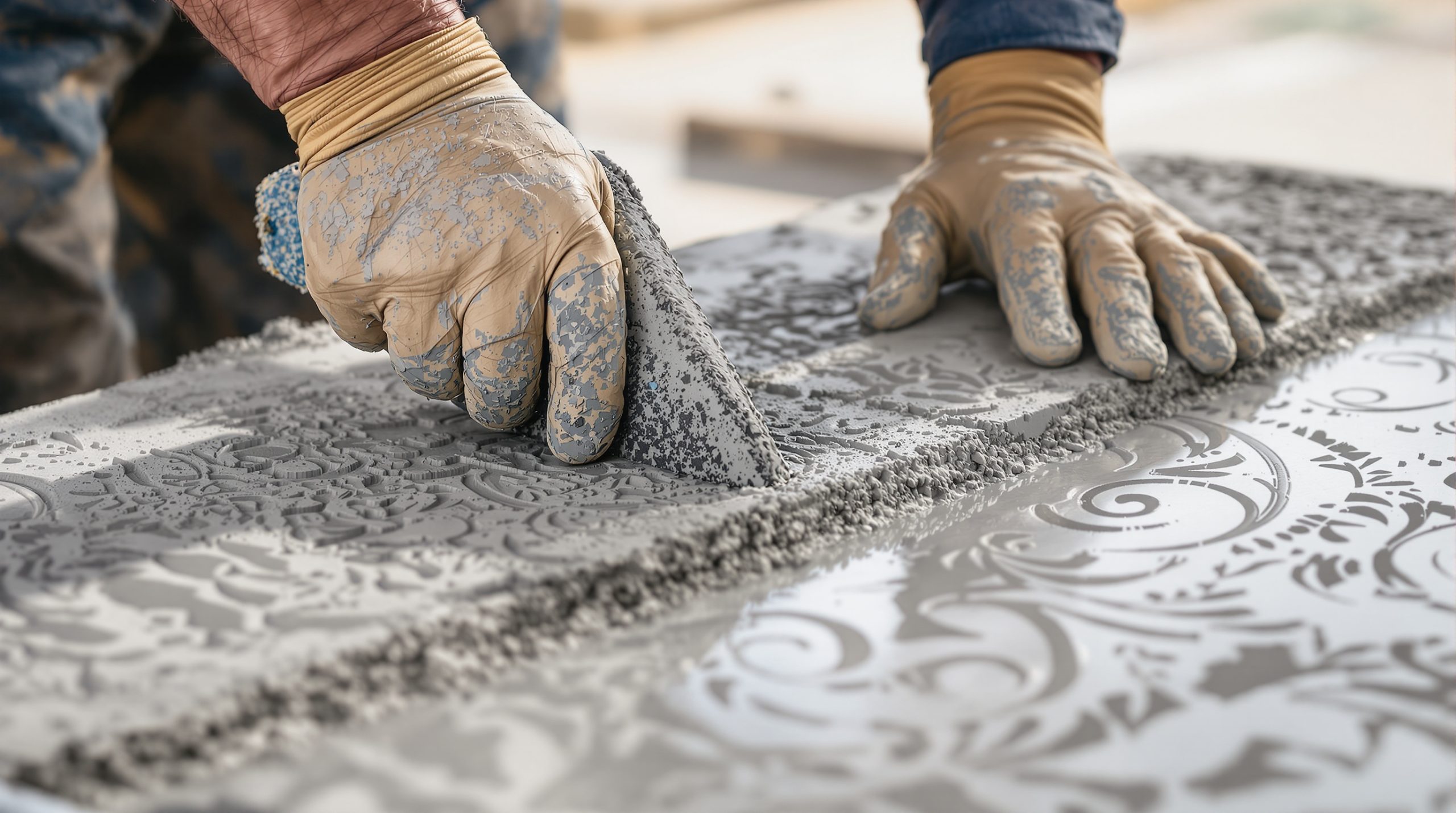
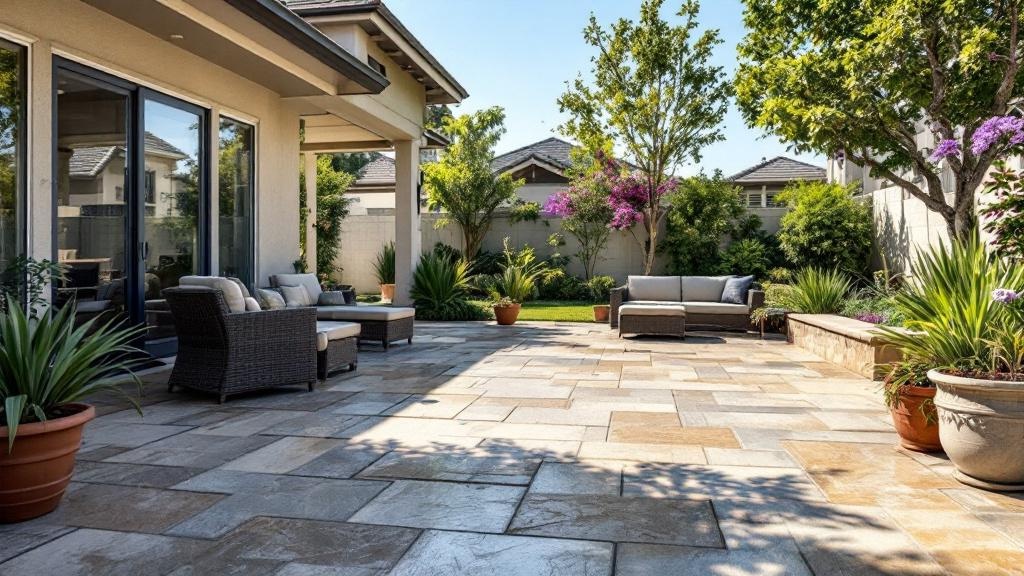
The most common decorative concrete approach: integral pigment through the slab, stamped pattern pressed in during finishing, and color release agent adding variation at the surface. The result looks like stone or tile while structurally being a concrete slab. Sealing is required to protect both color and texture.
Color Selection Through Final Sealing
Color concrete is more process-dependent than plain concrete. Timing during the pour and proper sealing afterward are what determine whether the result looks as good in five years as it does on day one.
Color Selection & Sample Review
We walk through the color options with real concrete sample chips, not just brochure swatches. Concrete color looks different wet versus dry and cured. Integral pigment produces more subdued, natural-stone tones. Color hardener produces more intense color. We set accurate expectations on what the finished surface will look like before you commit.
Base Prep & Form Work
Color does not change the structural requirements. The concrete still needs proper base prep, rebar, and slab thickness for the application. We handle the structural scope the same way we do on any pour, the color process is layered on top of a correctly built slab, not a substitute for it.
Pour, Pigment & Finishing
For integral color, the pigment goes into the mix before the truck arrives or is added at the pour. For color hardener, the dry-shake powder is broadcast onto the surface in stages during the floating process and worked in. For stamped work, the pattern mats go into the concrete while it is still in the plastic stage. Timing during the pour is critical and there is no correcting mistakes once the concrete sets.
Sealing & Long-Term Color Protection
Colored concrete almost always gets sealed. The sealer protects the pigment or stain from UV fading, surface staining, and weathering. In San Diego County's direct sun, an unsealed decorative slab will visibly fade faster than you would expect. We apply a UV-stable sealer and give you a realistic recoat schedule based on what San Diego's climate does to exterior surfaces.
What Actually Goes Into Colored Concrete Work
The difference between integral color and surface-applied color hardener is not just cosmetic, it changes how the slab behaves when it wears. Here is how BES thinks about colored concrete materials:
- Integral pigmentIron oxide pigment added to the concrete mix. Colorfast and stable, the same pigments used in concrete for decades. Typically 1 to 3 percent of cement weight. Goes all the way through the slab so chips or wear do not expose white concrete underneath.
- Color hardenerDry-shake powder broadcast and floated into the surface during finishing. Contains cement, aggregates, and pigment. Produces more intense, richer surface color than integral pigment alone, but the color is surface-only. Chips will show gray concrete underneath.
- Acid stainReacts with the calcium carbonate in cured concrete to create permanent, variegated color. Results look organic and stone-like, with natural color variation across the slab. Color cannot be fully controlled or predicted, some homeowners love that, some do not. Works on existing concrete.
- UV-stable sealerRequired on all colored concrete work. A standard acrylic sealer will work, but a UV-stabilized formulation holds color noticeably longer in San Diego County's direct sun. We specify the right sealer and advise on recoat intervals based on the product and the exposure conditions.
- Color consistency noteConcrete color can vary batch to batch and with water content, temperature, and curing conditions. Samples give direction, not an exact match guarantee. For additions to existing colored slabs, we recommend a visible control joint between old and new to avoid an obvious blend mismatch.
Honest Answers About Colored Concrete
Color matching, cost, fade resistance, chip durability, and what maintenance looks like. Real answers before you pick up the phone.
Will the color match the sample exactly?
Close, not exact. Concrete color is influenced by water-to-cement ratio, pour temperature, sun exposure during curing, and batch variation. Samples show you the general tone and family of color. We walk through samples with you and set honest expectations about what you will actually see in the finished slab before you approve the pour.
How much extra does colored concrete cost?
Integral color typically adds $1 to $3 per square foot over plain concrete pricing. Color hardener runs similarly. Acid staining on existing concrete is priced differently based on the surface condition and square footage. These are estimates. The number you care about is the written quote after the site visit.
How long will the color last in San Diego's sun?
Integral color holds well over time because the pigment is through the slab, not just on the surface. Surface-applied color hardener and acid stain will fade faster without proper UV-stable sealer and consistent recoating. San Diego County's UV intensity and heat cycle accelerate surface sealer breakdown. We tell you exactly what maintenance schedule to expect before you commit to a color choice.
Can I match colored concrete to what I already have?
Matching existing colored concrete is difficult. The existing slab has cured, weathered, and potentially faded. A fresh pour in the “same” pigment will look different next to it. For additions adjacent to existing colored work, we recommend using a clear control joint between old and new rather than attempting a seamless color match that will not hold up.
What happens if the colored concrete chips?
This is where integral color has a practical advantage over surface coloring methods. With integral pigment, a chip just shows more of the same-color concrete underneath. With color hardener, a chip shows gray. It is a real durability difference for driveways and areas with heavy foot or vehicle traffic. Worth knowing before you choose between them.
Is colored concrete harder to maintain?
Slightly more than plain gray concrete, mainly because sealing matters more. Use pH-neutral cleaners, avoid harsh degreasers or acidic cleaners on sealed decorative surfaces. Reseal on a consistent schedule based on what your sealer type needs in San Diego's climate. Do not use deicers, though that is a non-issue in SD County's weather.
A Poway Crew That Tells You the Truth About Color Options
BES has been doing decorative and colored concrete across San Diego County since 2016. We know what holds up in this climate and what does not. We tell you the differences between techniques before you pick one, not after.
- Honest comparison of integral color vs. color hardener vs. acid stain
- Real samples, not just brochure swatches, at the project consultation
- UV-stable sealers specified from the start, with realistic recoat expectations
- Same structural base prep as any BES concrete pour, color does not substitute
- Licensed (CSLB #1026938), insured, and BBB accredited since 2016
- Written quote covering the full scope: structural pour, color, and sealing
Decorative Concrete Projects in Poway & San Diego County
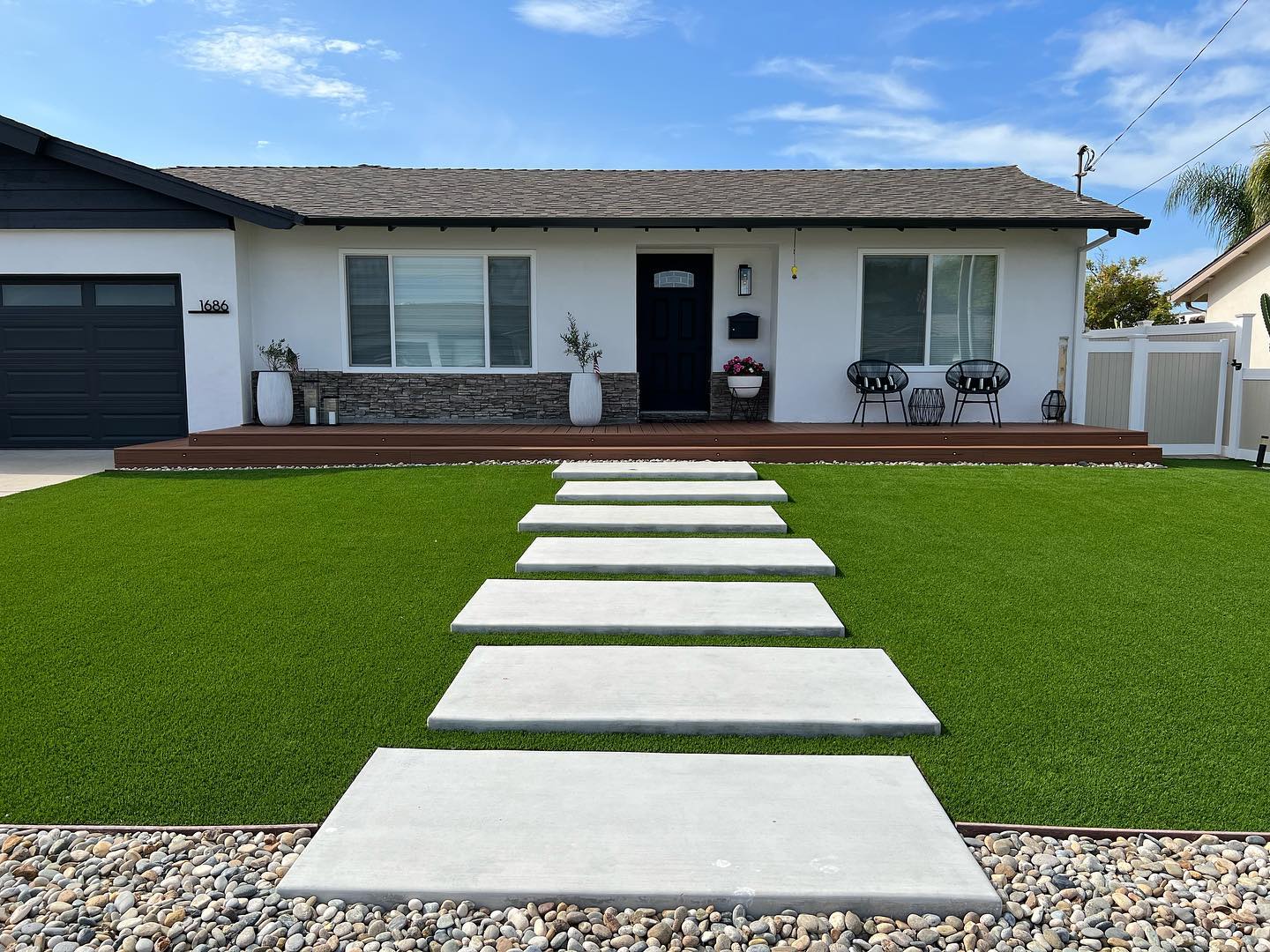
Colored and decorative concrete we have poured for homeowners across inland North County.
Questions Poway Homeowners Ask About Decorative Color Options
What is integral color concrete and how is it different from stained concrete?
What is the difference between integral color and color hardener?
How much does colored concrete cost in Poway?
Will the color fade in San Diego's sun?
Can I get a colored concrete driveway?
Does concrete color affect its strength?
Can colored concrete also be stamped?
Can I acid stain my existing plain concrete driveway or patio?
Related Concrete Services
Colored concrete is almost always paired with a stamped pattern or followed by professional sealing. BES handles all of it on the same project.
Let's Talk Through Your Color Concrete Project
Free site visit, color samples, written quote covering the full scope. No pressure, no obligation, just an honest look at your options and what each one actually delivers.
Licensed & insured (CSLB #1026938) · BBB accredited #1087327 · Serving all of San Diego County from Poway