Concrete Paving in Poway & San Diego County
Paths, Parking, Flatwork. Proper Drainage Every Time.
Walkways, parking pads, courtyard slabs, and entry approaches. BES handles the layout, drainage slope, base prep, and control joints on every concrete paving job, the same written-quote standard as every other project.
Get a Free Paving Quote
Tell us about your path, pad, or flatwork project. We respond same day.
Concrete Paving Services for San Diego County Homes
Concrete paving covers the flatwork that is not a vehicle driveway and not an outdoor living patio, walkways, paths, parking pads, courtyard areas, and side-yard access. Same structural standards as everything else BES pours. One crew, one quote, one price.
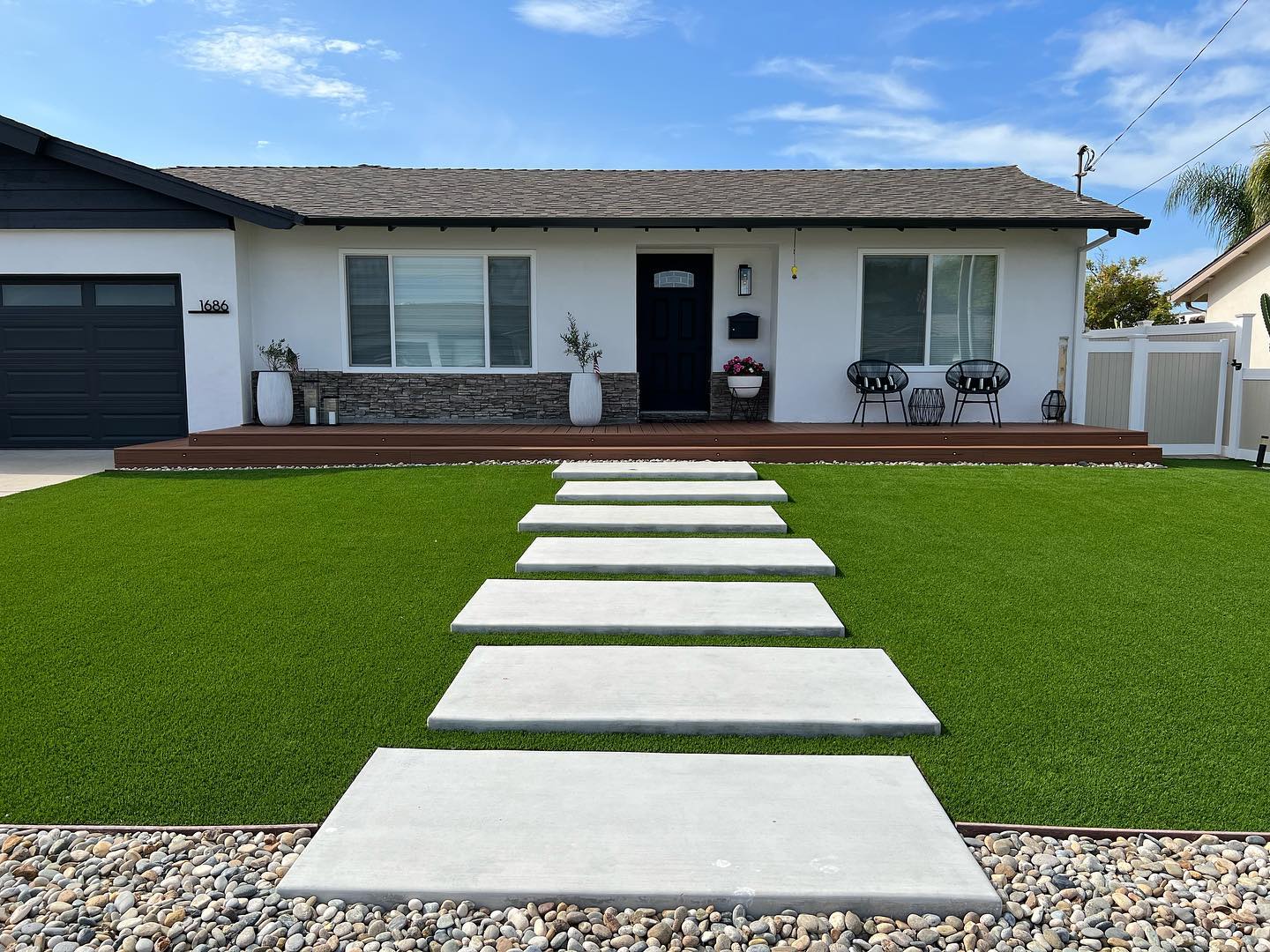
Walkways & Garden Paths
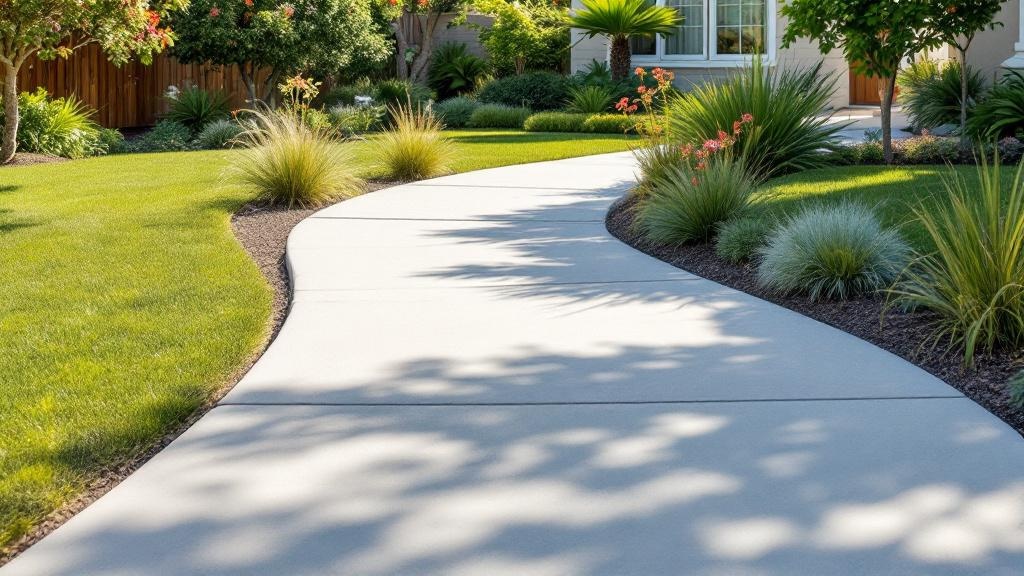
Concrete paths connecting the front door to a gate, the house to a detached garage, or through a garden area. Typically 3 to 5 feet wide, poured at 3.5 to 4 inches thick on a compacted base. BES lays out drainage slope at 2 percent or better away from structures and places control joints every 6 to 8 feet to direct any normal concrete movement to the joint.
Parking Pads & Extra Vehicle Areas
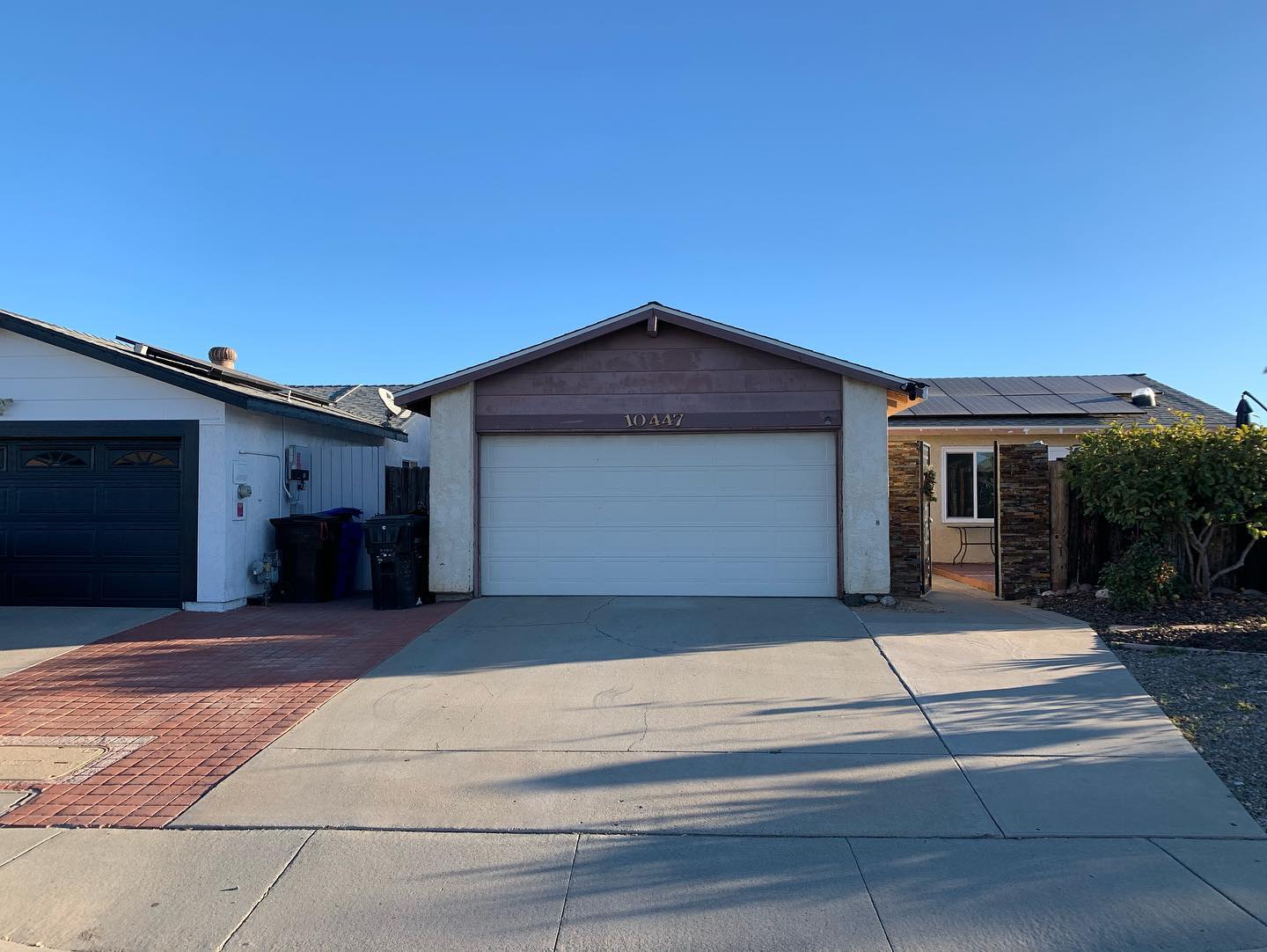
Additional parking for a guest vehicle, work truck, or boat trailer at the side or rear of the property. These see vehicle loads but are typically not primary driveways, so the design is different from a driveway replacement, dimensions, drainage, and any gate or fence clearances are specific to your site. We confirm the right base depth and slab thickness at the quote visit. RV pads are a separate service with heavier specifications.
Courtyard & Entry Approaches
The area between a street sidewalk and the front door, or a courtyard or entry slab that is separate from the main driveway. These surfaces are often highly visible and benefit from a finished look, broom finish, exposed aggregate, or light stamping are all options. Drainage toward a central drain or off the edges of the property is planned at the layout stage, before any forming starts.
Side-Yard & Utility Paths
Concrete paths along the side of a house for trash bin access, HVAC equipment access, or just a clean walkable surface between properties. Often 2 to 4 feet wide, sometimes gated. BES handles small-format paving the same way as larger flatwork, proper base, correct drainage slope away from the foundation, control joints, because these paths sit next to your house foundation and a poorly drained path causes moisture problems.
What Goes Into Concrete Paving Done Right
Drainage planning before forming. Proper base before the pour. Control joints before the concrete sets. No steps skipped.
Layout & Drainage Planning
Before any excavation, we walk the site and establish where the concrete needs to drain. This is the step that most problems in paving trace back to, a path that does not drain away from the house foundation, or a parking pad that pools water at the garage door. We establish finished surface elevations, check for existing site drainage, and flag any changes needed before we price the job. Drainage planning is part of the free on-site quote, not an afterthought.
Excavation & Base Prep
Pedestrian paths typically need 3 to 4 inches of compacted aggregate base below the slab. Parking pads that will see vehicle loads need 4 to 6 inches. San Diego County's clay soils require adequate base depth regardless of path width or load, the clay expands and contracts with moisture, and a slab poured directly on native clay will settle unevenly. We excavate to the right depth, bring in class II road base, and compact it in lifts before the forms go in.
Forming, Pour & Finish
For straight runs, forms are set to the layout lines and finished elevation. Curved paths or irregular courtyard shapes require more forming work, we factor that into the quote. Concrete is poured, screeded to grade, and finished. Pedestrian paving typically gets a broom finish for traction. Exposed aggregate is available for a natural look. If the paving will receive a decorative stain or stamped treatment, we coordinate that as part of the project scope.
Control Joints & Cure
On pedestrian paths, control joints go in every 6 to 8 feet, closer spacing than driveways because narrower concrete tends to crack more unpredictably without them. Joints are tooled or saw-cut at the right stage in the pour. After finishing, a curing compound is applied immediately. Foot traffic is typically safe in 24 to 48 hours. Avoid heavy loads on fresh paving for at least 7 days. We discuss the cure schedule and traffic restrictions at job completion.
How BES Builds Concrete Paving That Stays Level
Most paving failures in San Diego County are not material failures, they are base and drainage failures. A slab poured flat on expansive clay with nowhere to drain will shift, pop, and crack within a few seasons. Here is what BES specifies on every paving project regardless of size:
- Concrete mix3,000 PSI minimum for pedestrian paths and light-use flatwork. Parking pads that will see vehicle loads spec to 3,500 to 4,000 PSI, consistent with residential driveway specifications.
- Reinforcement#3 rebar or 6×6 welded wire mesh at minimum for pedestrian paths. Parking pads and areas with potential vehicle loads always use rebar. Wire mesh alone is not specified where any vehicle traffic is anticipated.
- Base aggregate3 to 4 inches of compacted class II road base for pedestrian paths. 4 to 6 inches for parking pads or areas that may see vehicle overrun. Confirmed at the site visit and written into the quote.
- Slab thickness3.5 to 4 inches for pedestrian paths and light-use flatwork. 4 to 5 inches for parking pads. BES does not pour pedestrian-use paths at less than 3.5 inches regardless of path width, thin slabs on clay soil crack early.
- Control jointsTooled or saw-cut at 6 to 8 foot spacing on pedestrian paths, tighter than driveway spacing. Joint depth is one-quarter of slab thickness. Properly placed joints direct movement to the joint rather than across the visible slab surface.
- Drainage slopeMinimum 2 percent (1/4 inch per foot) away from any structure or toward a planned drainage point. Established at layout before forming starts. This is not optional on any paving project, flat or back-sloped paving next to a foundation causes moisture and settlement problems.
What to Know Before You Start a Paving Project
Cost ranges, permits, how concrete paving differs from a driveway, and what causes settled paths. Plain answers before you pick up the phone.
How is concrete paving different from a driveway?
The main differences are load requirements, thickness, and drainage priorities. Driveways carry vehicles daily and are designed around vehicle weight and turning radius. Concrete paving, as we use the term here, covers pedestrian paths, parking pads, courtyards, and entry approaches where the primary use is foot traffic or occasional light-vehicle access. The base depth and slab thickness reflect the actual use: a garden path does not need the same specification as a primary vehicle driveway. If you are replacing a main vehicle driveway, see the dedicated Concrete Driveways page.
How much does concrete paving cost?
Standard broom-finish concrete paving in San Diego County typically runs $8 to $14 per square foot installed. Narrow paths with more forming work per square foot cost more than large open areas. Decorative finishes add cost: exposed aggregate or light stamping runs $12 to $20 per square foot. These are estimates, actual pricing depends on site conditions, total area, shape complexity, and whether any demo is required. BES gives you a firm written number after the free on-site visit.
Do I need a permit for a concrete path or parking pad?
It depends on the scope. In the City of Poway, permits are generally required for new hardscape over a certain square footage, impervious surface area thresholds, or when drainage or grading is being altered. Properties in unincorporated San Diego County go through the County. Small replacement paths often fall below the permit threshold; new paving that changes drainage patterns or covers significant area typically requires one. BES confirms what is required for your specific address during the quote visit and handles permit coordination when it is part of the project scope.
How do I prevent the concrete from heaving or settling?
Proper base prep and drainage. Most settled or heaved concrete paving in San Diego County traces back to one of two causes: insufficient base depth on clay soil, or water ponding under or adjacent to the slab and softening the base. BES addresses both at the spec stage, correct base depth for the use type, minimum 2 percent drainage slope, and control joints to direct movement to planned locations. There is no fix after the fact; these decisions have to be made before the pour.
Can new paving match my existing concrete?
Concrete color and texture change as they age, so a perfect match is usually not possible. New concrete poured next to existing concrete will look slightly different for several years while the new slab cures and weathers. We discuss realistic expectations at the site visit. If appearance matching is important, options like exposed aggregate or staining can sometimes help unify the look. If matching matters a lot, the full replacement approach, remove everything and pour it all at once, is the only way to get consistent appearance.
What is the best finish for a concrete path?
Broom finish is the standard for pedestrian paving: textured for traction, durable, low maintenance. Exposed aggregate is a popular upgrade in San Diego County because it has a natural look and is inherently slip-resistant, the stone aggregate provides grip even when wet, without needing a non-slip additive. Smooth trowel finish is generally not specified for outdoor paths because it becomes slippery when wet. We include finish options in the written quote so you can see the cost difference before you decide.
A Poway Crew That Gets the Drainage Right
Concrete paving looks simple until a path settles toward the house foundation or a parking pad pools water at the garage door. BES has been doing flatwork in San Diego County since 2016 and has seen what happens when drainage planning is skipped. Raymond and the same crew that walks your site for the quote are the ones who set the forms and pour the slab.
- Drainage slope established at the layout stage, before any forming
- Correct base depth for the use type, pedestrian path vs. parking pad
- Control joints placed and sized correctly for path width and concrete thickness
- You talk to who does the work, not a dispatcher or subcontractor
- Licensed (CSLB #1026938), insured, and BBB accredited since 2016
- Written quote with finish options before any work starts
Concrete Paving Projects in Poway & San Diego County
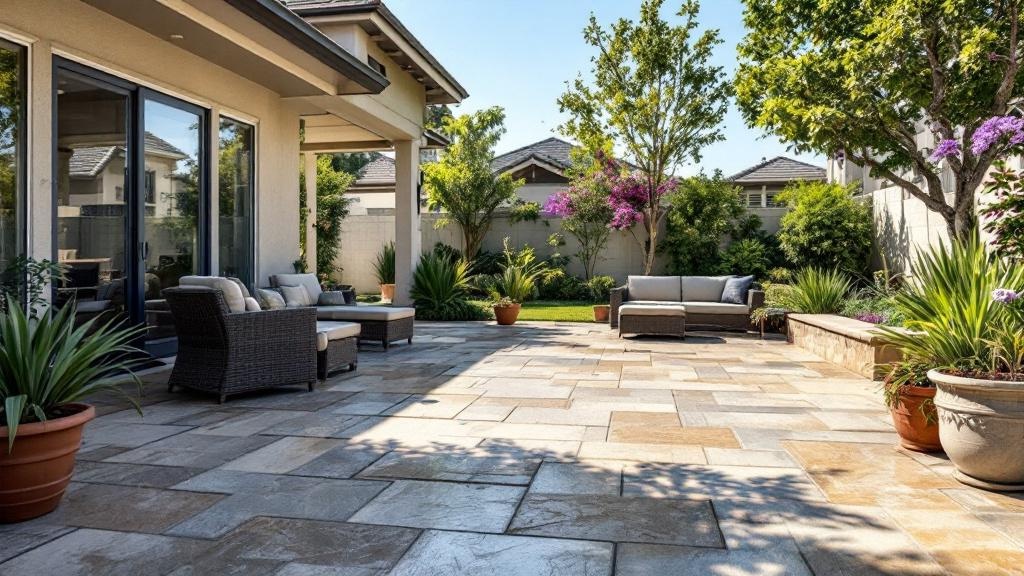
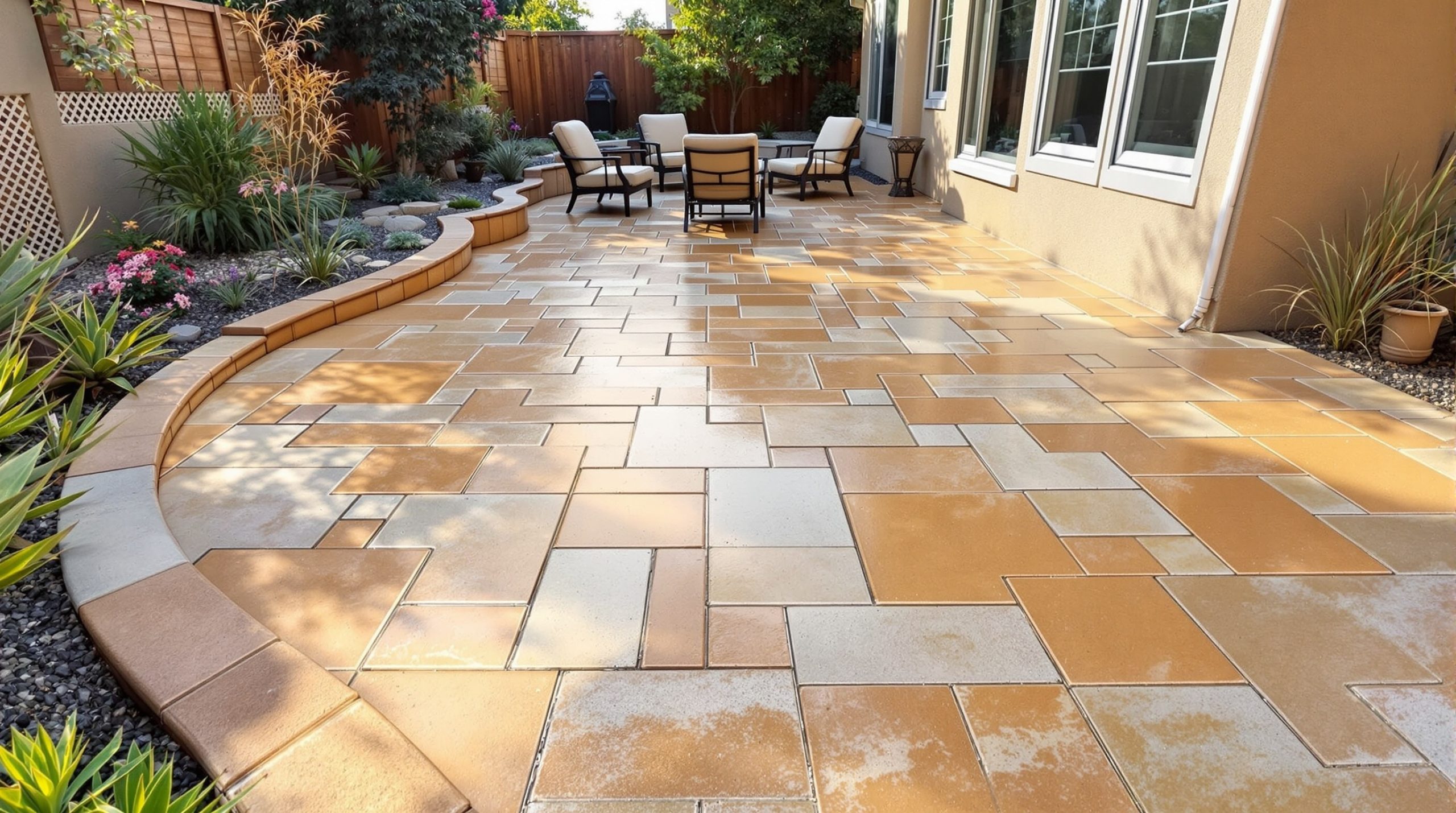
Paths, pads, and flatwork we have poured for homeowners across inland North County.
Questions Poway Homeowners Ask Before Calling
What is concrete paving (as opposed to a driveway or patio)?
How much does concrete paving cost per square foot in Poway?
How thick should a concrete walkway be?
Do I need a permit for a concrete walkway or parking pad in Poway?
How do I prevent settling and trip hazards in a concrete path?
What is the best concrete finish for an outdoor walkway?
Can I add concrete paving next to my existing driveway or patio?
Related Concrete Services
Paving projects often connect to driveways, patios, steps, or sidewalks. Same crew handles all of it, with the same written-quote standard.
Let’s Look at Your Concrete Paving Project
Free on-site quote, drainage assessment included, written price before we start. No obligation, just an honest look at what your path or pad needs.
Licensed & insured (CSLB #1026938) · BBB accredited #1087327 · Serving all of San Diego County from Poway