Garage Floor Coating & Epoxy Flooring in Poway & San Diego County
Diamond-Ground Surface Prep. Moisture-Tested. Built to Not Peel.
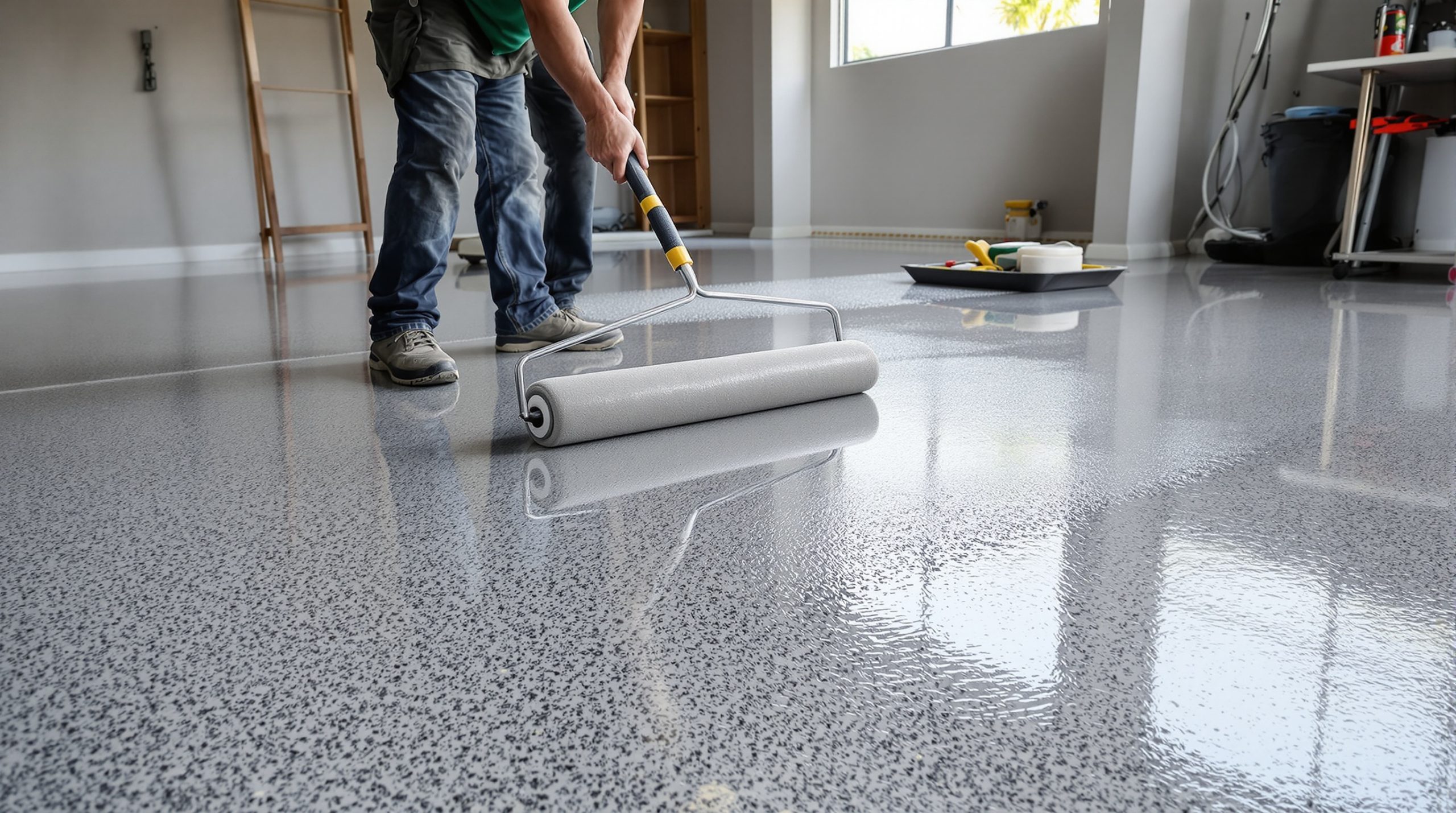
Most garage floor coatings that fail do so because the surface was not prepared correctly before the first drop of epoxy went down. BES diamond-grinds the floor, tests for moisture vapor emission, and applies the right coating system for your garage's actual conditions. Written quote, firm price.
Get a Free Garage Floor Quote
Tell us about your garage floor. We respond same day, usually faster.
Garage Floor Coating Services for San Diego County Homes
Epoxy base coats, polyaspartic top coats, decorative chip systems, and the surface prep work that determines whether a coating sticks for a decade or peels in two years. BES does not skip prep to lower the price.
Epoxy Floor Coating
A two-part 100% solids epoxy applied as the base coat over properly prepared concrete. Epoxy bonds chemically to the concrete surface (not just mechanically), providing a hard, impact-resistant base layer that resists oil and chemical spills. Usually paired with a polyaspartic or polyurea top coat for UV stability and faster cure.
Polyaspartic & Polyurea Top Coats
Polyaspartic coatings cure faster than epoxy (drive on it the next day in most conditions), handle San Diego's temperature extremes better than standard epoxy, and are UV stable, they do not yellow from sunlight the way some epoxy systems do. Typically applied as the top coat over an epoxy base, or as a standalone system on well-prepared concrete.
Full-Chip Decorative Systems
Vinyl color chips or flakes broadcast into the wet base coat add color, texture, and an additional slip-resistant surface. Popular for residential garages because they hide minor floor imperfections, show less dirt between cleanings, and look significantly better than bare gray concrete. Available in a range of color blends.
Surface Prep & Crack Repair
Coating over an unprepared or cracked floor is how you get a floor that peels in year two. We diamond-grind the surface to open the concrete pores for proper adhesion, test moisture vapor emission before coating, and fill cracks with appropriate repair material. Prep work is never skipped to lower the price.
What Goes Into a BES Garage Floor Coating
Four steps. The prep work alone takes longer than the coating itself, and it is the step that determines whether your floor looks the same in year ten.
Concrete Assessment & Moisture Testing
We assess the floor condition, existing coatings, oil contamination, crack severity, surface hardness, and test for moisture vapor emission. Moisture vapor migrating up through a concrete slab is the primary cause of coating delamination. Skipping this test is common among low-bid installers. If the MVER is above the coating system's limit, we address it before coating rather than coat over a problem.
Diamond Grinding & Surface Prep
We diamond-grind the floor surface with a floor grinder to open the concrete pores and create a profile for the coating to bond to. Acid etching is an alternative some contractors use because it is faster, but it does not achieve as consistent a surface profile as grinding, particularly on older or harder concrete. Grinding also removes existing coatings, oil contamination, and surface laitance that would prevent adhesion.
Crack Repair & Edge Work
Active cracks get routed and filled with polyurea crack filler before any coating goes down. Expansion joints are cleaned and addressed appropriately. Minor surface pitting or spalling gets filled. Edge work around walls, garage door seals, and floor drains is done before broadcast and top coat.
Base Coat, Chip Broadcast & Top Coat
The epoxy base coat goes down, chips are broadcast into the wet coat if included, and the excess chips are swept and vacuumed after cure. The polyaspartic or polyurea top coat follows. Cure times vary by system, most residential polyaspartic top coats allow light foot traffic within a few hours and vehicle traffic within 24 to 48 hours. We give you specific return-to-service timing for your system.
Why Most Garage Floor Coatings Fail, and How BES Avoids It
Walk into any home improvement store and you can buy a one-day epoxy kit. Most of those coatings peel within a few years. The reason is almost never the product itself, it is the prep. Epoxy bonds to concrete through mechanical and chemical adhesion that requires a properly opened, clean, moisture-checked surface. Here is what BES specifies on every garage floor coating project:
- Surface prep methodDiamond grinding with a planetary floor grinder. Opens concrete pores for chemical adhesion and creates a consistent surface profile. More reliable than acid etching alone on dense or older concrete, and removes contamination that etching cannot.
- Moisture vapor testCalcium chloride test or relative humidity probe to measure moisture vapor emission rate (MVER) or internal RH before coating. Coatings applied over high-MVER concrete delaminate from hydrostatic pressure beneath the film. This test is often skipped by cheap installers. BES tests before quoting the coating system.
- Epoxy base coat100% solids epoxy applied at the specified film thickness over prepared concrete. Provides chemical bonding to the concrete substrate, impact resistance, and oil/chemical stain resistance as the base layer.
- Polyaspartic top coatUV-stable, fast-cure polyaspartic aliphatic coating applied over the cured epoxy base. Does not yellow from UV exposure (unlike aromatic epoxies), handles temperature cycling in San Diego's hot garages better than standard epoxy, and typically allows vehicle traffic within 24 to 48 hours.
- Color chip systemVinyl acetate color flakes broadcast into the wet base coat at a coverage rate ranging from partial broadcast (visible base color beneath) to full broadcast (entire floor surface covered). Adds texture for slip resistance and significantly improves the visual result over solid-color coatings.
- Crack fillerPolyurea rigid joint filler for structural cracks, applied before base coat. Not a cosmetic patch, it bonds to both crack faces and bridges the gap so the surface coat does not telegraph the crack through.
Straight Answers on Garage Floor Coating
Cost, product differences, why cheap coatings fail, cure times, cracks, and permits. Plain answers, no upsell pressure.
What does garage floor coating cost?
A standard two-car garage (400 to 500 square feet) with an epoxy base coat, full chip broadcast, and polyaspartic top coat typically runs $1,800 to $3,500 in San Diego County. Single-color solid epoxy systems without chips run less. Three-car garages or floors requiring significant crack repair or moisture mitigation run more. These are estimates, BES gives you a firm number after assessing the actual floor.
Epoxy vs. polyaspartic, what is the difference?
Epoxy is the base coat that bonds to the concrete. Polyaspartic or polyurea is typically the top coat applied over the epoxy. The most common residential garage floor system uses both: epoxy base for adhesion and build, polyaspartic top coat for UV stability, scratch resistance, and fast cure. A pure epoxy system (no polyaspartic top coat) is cheaper, but epoxy alone will eventually yellow under UV exposure in an open garage, especially in San Diego's sun.
Why do cheap garage floor coatings fail?
Two reasons, almost every time. First: inadequate surface prep. Epoxy coatings are a surface application, they depend on mechanical and chemical bonding to the concrete. A floor that was swept and acid-etched superficially rather than properly ground does not provide enough surface profile for the epoxy to grip. Second: moisture vapor. Water migrates up through concrete slabs from the ground below. If the moisture vapor emission rate is too high when you coat, the water pressure beneath the cured film causes bubbling and delamination. Both problems are avoidable with proper prep and testing.
How long until I can park in the garage again?
With a polyaspartic top coat, foot traffic is usually possible within a few hours of the final coat. Vehicle traffic typically requires 24 to 48 hours, depending on the specific product and temperature. Full chemical cure takes longer, but return-to-service for normal garage use is usually 24 to 48 hours. We give you the specific timeline for your system before we start.
What about cracks in my garage floor?
Most garage floors have at least some cracking, shrinkage cracks from the original pour, control joint movement, or settled sections. Hairline shrinkage cracks can often be coated over with proper prep. Structural cracks or significant crack movement get routed and filled with polyurea crack filler before any coating goes down. If cracking is severe or the floor has significant delamination, we will tell you at the assessment whether coating makes sense or whether the slab needs repair first.
Do I need a permit for garage floor coating?
No. Garage floor coating is a cosmetic interior surface application and does not require a building permit in San Diego County or the City of Poway. This is one of the practical advantages, the job can typically be scheduled without a permit waiting period.
A Poway Crew That Does Not Skip the Prep
BES has been working concrete in Poway since 2016. We know what causes garage floor coatings to fail because we have repaired floors where the prep was skipped. We do not skip it. The same crew that quotes you does the work, no subcontracted strangers.
- Diamond grinding, not just acid etching, on every project
- Moisture vapor emission tested before any coating is applied
- Epoxy base plus polyaspartic top coat for UV stability and fast cure
- Crack repair done before coating, not concealed under it
- Licensed (CSLB #1026938), insured, and BBB accredited since 2016
- Written quote is the price, no add-ons once work starts
Concrete Projects in Poway & San Diego County
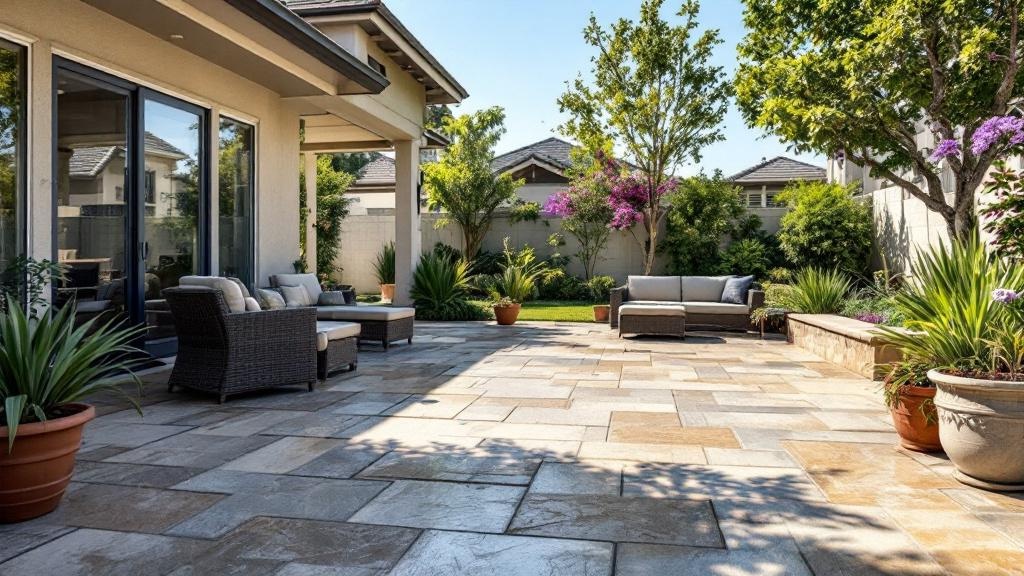
A sample of concrete work from across inland North County.
Questions Poway Homeowners Ask Before Calling
How much does garage floor coating cost in Poway?
What is the difference between epoxy and polyaspartic garage floor coating?
Why do so many garage floor coatings bubble or peel?
Does my garage floor need to be diamond-ground before coating?
Can you coat a garage floor that has cracks?
Do I need a permit for garage floor coating in Poway?
How long does garage floor coating last?
Can I use my garage during the project?
Related Concrete Services
Garage floor coating projects often pair with driveway work, concrete repair, or new slab pours. Same crew, same written-quote standard.
Let's Look at Your Garage Floor
Free assessment, written quote before any work starts, firm price when we finish. No pressure, no obligation, just an honest look at what your garage floor needs.
Licensed & insured (CSLB #1026938) · BBB accredited #1087327 · Serving all of San Diego County from Poway