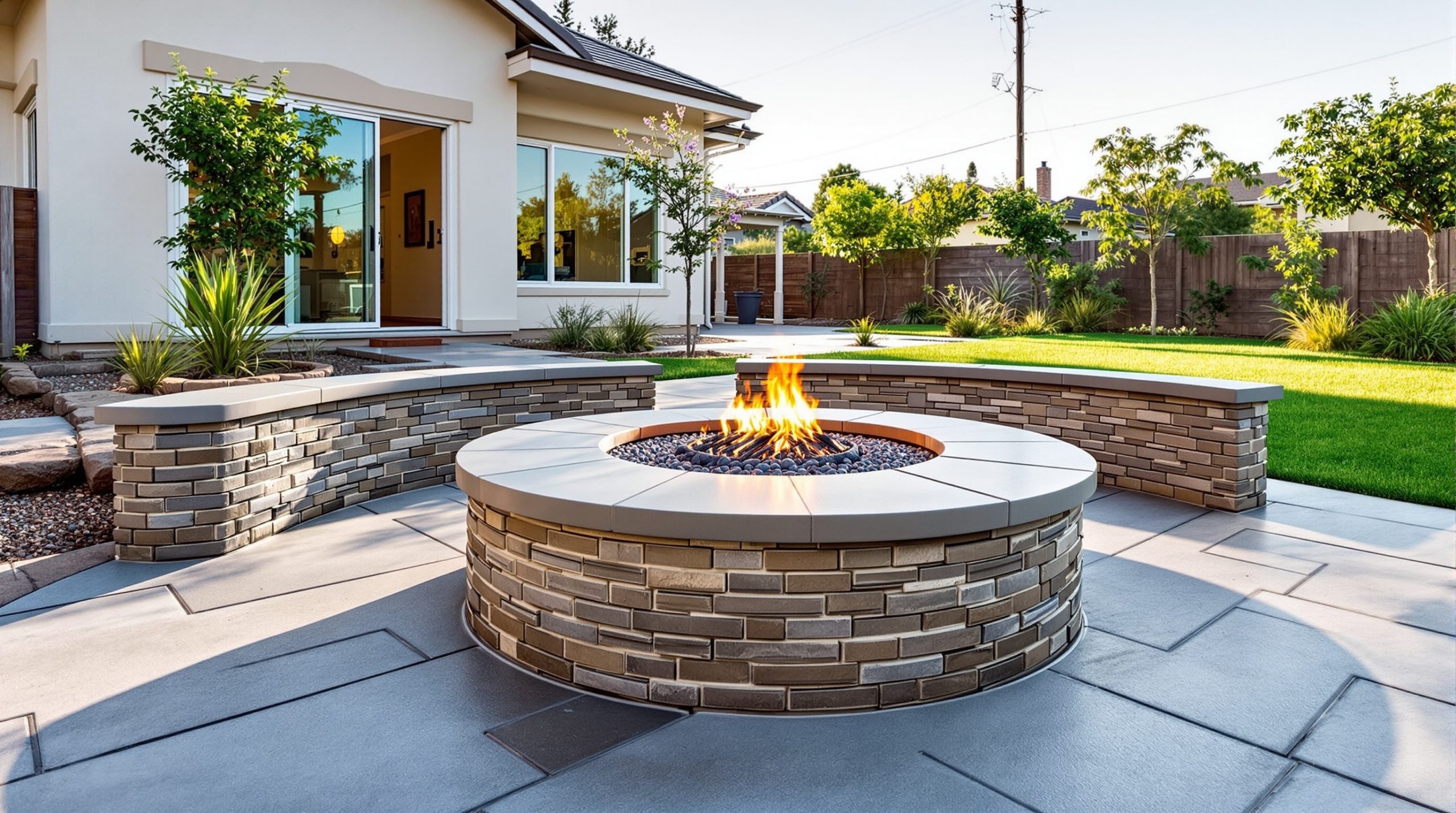
Concrete Fire Pits in San Diego County
Built to Code. Built on a Real Footing. Built to Last.
A poured concrete footing and seat wall, not a kit set on dirt. Gas or wood-burning, sized and sited to meet local fire and setback rules. Written quote before anything starts.
Get a Free Fire Pit Quote
Tell us about your fire pit project. We respond same day, usually faster.
Concrete Fire Pit Services for San Diego County Homes
Poured footings, block or stone walls, concrete caps, and gas or wood-burning setups sited to meet local setback rules. One crew, one written quote, one price.
Poured Concrete Footing
A fire pit is not a paver ring set on grade. We pour a proper concrete footing below frost/settlement depth so the structure does not heave, crack, or lean after one San Diego rainy season. Footing size depends on the fire pit diameter and wall material.
Block, Stone & Concrete Cap Walls
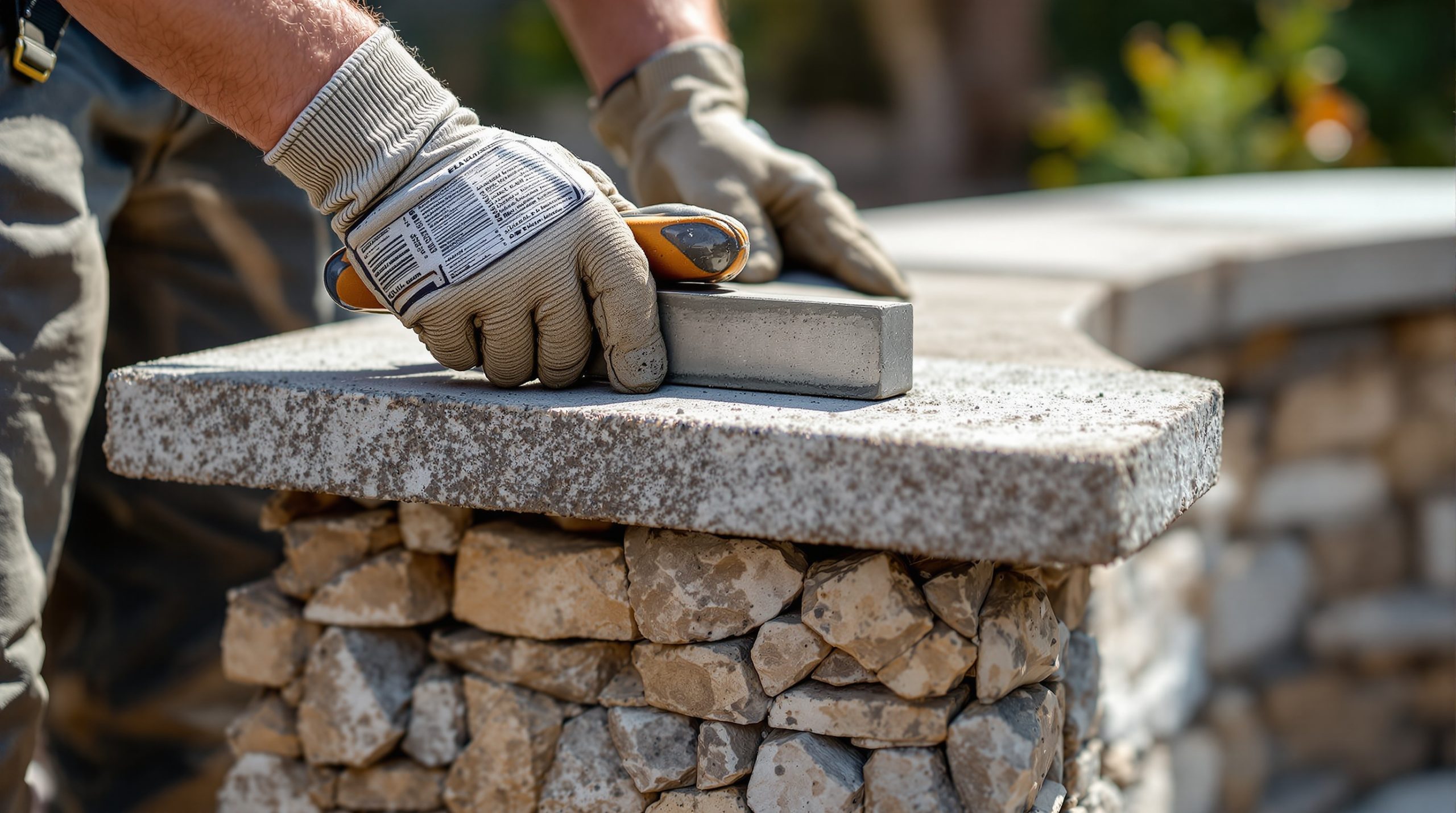
CMU block or stacked natural stone wall on the footing, finished with a poured or precast concrete cap. The cap is where hands and drinks rest, so it gets a clean, level, properly cured finish, not a rough mortar bed.
Gas or Wood-Burning
Gas fire pits need a stubbed gas line coordinated with a licensed plumber and a fire ring/burner kit set into the concrete bowl. Wood-burning pits need proper interior clearance, a non-combustible bowl liner, and spark-arrestor screen options if required.
Code & Setback Compliance
San Diego County and most inland North County jurisdictions set minimum distances from structures, fences, and combustible landscaping for fire pits, wood-burning pits generally need more clearance than gas. We confirm what applies to your address and site the pit accordingly before pouring anything.
What Goes Into a BES Concrete Fire Pit
Four steps, nothing skipped. The same process on every job, from a simple wood-burning pit to a full seat-wall gas installation.
Free On-Site Quote & Siting
We walk your yard, measure clearances to the house, fence lines, and any combustible landscaping, and confirm what your jurisdiction requires for gas vs. wood-burning setbacks. If a gas line is needed, we scope that coordination up front. You get a written price before we leave.
Layout, Excavation & Footing
We lay out the fire pit footprint, excavate to proper depth, and form and pour a concrete footing sized to the wall material and diameter. This is the step that determines whether the fire pit stays level and crack-free for years or starts leaning within a season.
Wall, Cap & Fire Ring
Block or stone wall goes up on the cured footing, the fire bowl or ring is set (steel fire ring for wood-burning, burner pan and gas line stub-out for gas), and the concrete or precast cap is set level and finished clean.
Cure, Seal & Final Walkthrough
Concrete cap and footing cure before first use, we tell you the real timeline, not an optimistic one. If sealing the cap is in scope, we apply it after cure. We walk the finished fire pit with you before we leave; anything not right gets addressed on the spot.
Why a Fire Pit Needs a Real Footing, Not Just Pavers on Dirt
A fire pit set directly on grade will move as San Diego County's clay soil expands and contracts through the rainy season, cracking the wall and opening the cap joints within a year or two. Here is what BES specifies on every fire pit project:
- Concrete footing3,000+ PSI concrete poured below grade to a depth sized for the fire pit's weight and San Diego County's clay soil behavior. This is the part nobody sees and the part that determines whether the structure stays put.
- Wall materialCMU block (stuccoed or stone-veneered) or dry-stacked natural stone, mortared to the footing. Wall choice affects both cost and how much heat radiates back toward seating, we walk through the tradeoff at the quote visit.
- Concrete capPoured-in-place or precast concrete cap, broom or smooth-troweled and eased at the edges. This is the surface people actually touch, set drinks on, and lean against, so fit and finish matter more here than almost anywhere else on the project.
- Fire bowl / burner panSteel fire ring for wood-burning pits, or a stainless burner pan with lava rock/glass media for gas. Sized to the interior diameter with proper clearance to the cap edge.
- Gas line (gas fire pits only)Stub-out coordinated with a licensed plumber to code, run before the footing is poured so the line is protected inside the structure, not exposed afterward.
- SealerA penetrating sealer on the concrete cap resists heat-cycling stains, ash, and spilled drinks without changing the surface texture where people rest their hands.
Honest Answers Before You Pick Up the Phone
Cost, permits, setback rules, and gas vs. wood-burning. No sales spin.
What does a concrete fire pit cost?
A block or stacked-stone fire pit with a poured footing and concrete cap in San Diego County typically runs $2,500 to $6,000 for wood-burning, or $3,500 to $8,000+ for gas once a gas line stub-out is included. Size, wall material (block vs. natural stone), and whether a seat wall wraps the pit all move that number. We give you a firm written price after the free site visit, no ballpark guesses that change once we show up.
Do I need a permit for a fire pit in San Diego County?
It depends on the jurisdiction, the fire pit type, and whether it is gas or wood-burning. Many inland North County cities require a permit for a permanent gas fire feature because of the gas line work; some allow smaller wood-burning pits without one if setback and size limits are met. We confirm the specific requirement for your address at the site visit and handle the permit application if one is required.
Can I even have a wood-burning fire pit given San Diego's fire risk?
In most residential zones, yes, but wood-burning pits generally carry stricter setback and defensible-space requirements than gas, and some jurisdictions restrict or seasonally limit open-flame burning during high fire-danger periods. Gas fire pits sidestep most of that because there is no spark or ember risk the way there is with wood. We walk through both options honestly at the quote visit so you can decide with the real tradeoffs in front of you, not after it's built.
How far does a fire pit need to be from my house or fence?
Setback requirements vary by jurisdiction and by whether the pit is gas or wood-burning, but a common baseline is roughly 10 feet from any structure or combustible material for wood-burning, with gas sometimes allowed closer depending on local code. We confirm the exact number that applies to your address and site plan before we pour anything, so you are not stuck with a fire pit that fails inspection or, worse, one that is genuinely unsafe.
Will the fire pit crack like my neighbor's did?
Most fire pit cracking comes from one of two causes: no real footing (the structure was built on grade or a thin base and shifts with the soil), or thermal stress from a bowl liner that was not rated for direct high heat. We pour a proper footing every time and use a fire-rated bowl or burner pan sized correctly for the wall material, which is the standard fix for both failure modes.
Gas or wood-burning, which is actually better?
Gas fire pits light instantly, produce no smoke or ash, and generally face fewer burn-restriction days. Wood-burning gives you the real fire, crackle, and scent people actually want a fire pit for, but needs more clearance, more maintenance, and is subject to burn-day restrictions during dry periods. Neither is objectively better, it is a real tradeoff between convenience and the traditional experience, and we lay it out plainly at the quote visit rather than pushing whichever is easier for us to install.
A Poway Crew That Gets the Details Right
BES Concrete has been operating in Poway since 2016. Raymond and the same crew that walks your property for the quote are the ones who build your fire pit. No dispatchers, no subcontracted strangers showing up on pour day.
- Poured concrete footing on every fire pit, no kits set on grade
- Setback and permit requirements confirmed before we site the pit
- Gas line coordination with a licensed plumber when gas is in scope
- Written quote is the price, no scope-creep change orders
- Licensed (CSLB #1026938), insured, and BBB accredited since 2016
- Full cleanup, final walkthrough, we do not leave until you are satisfied
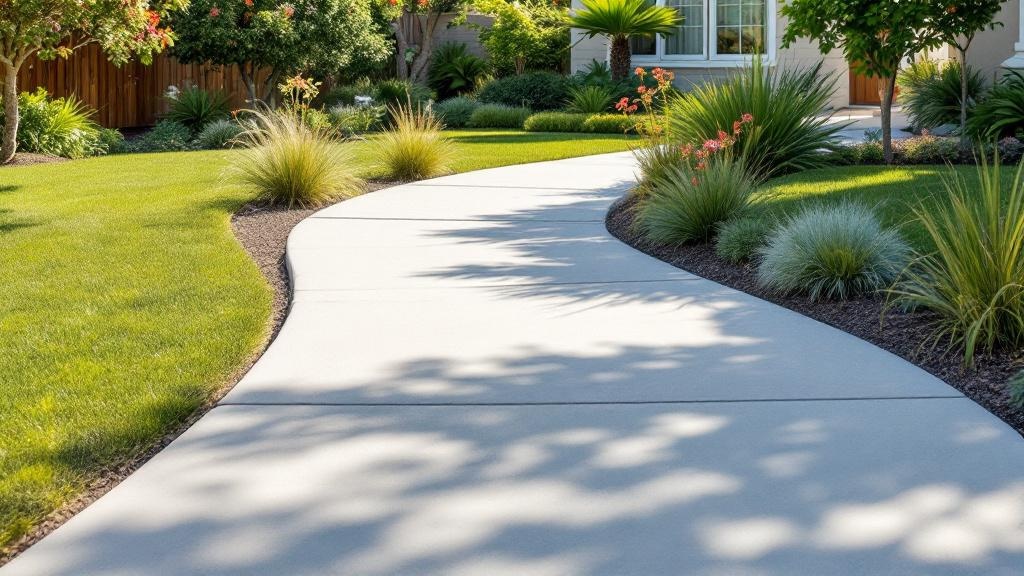
Concrete Projects in Poway & San Diego County
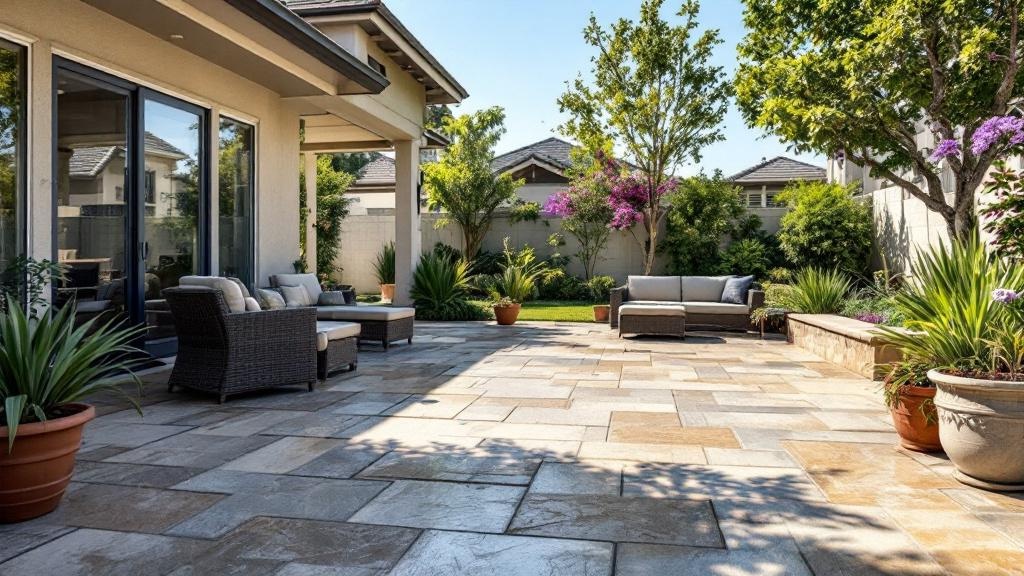
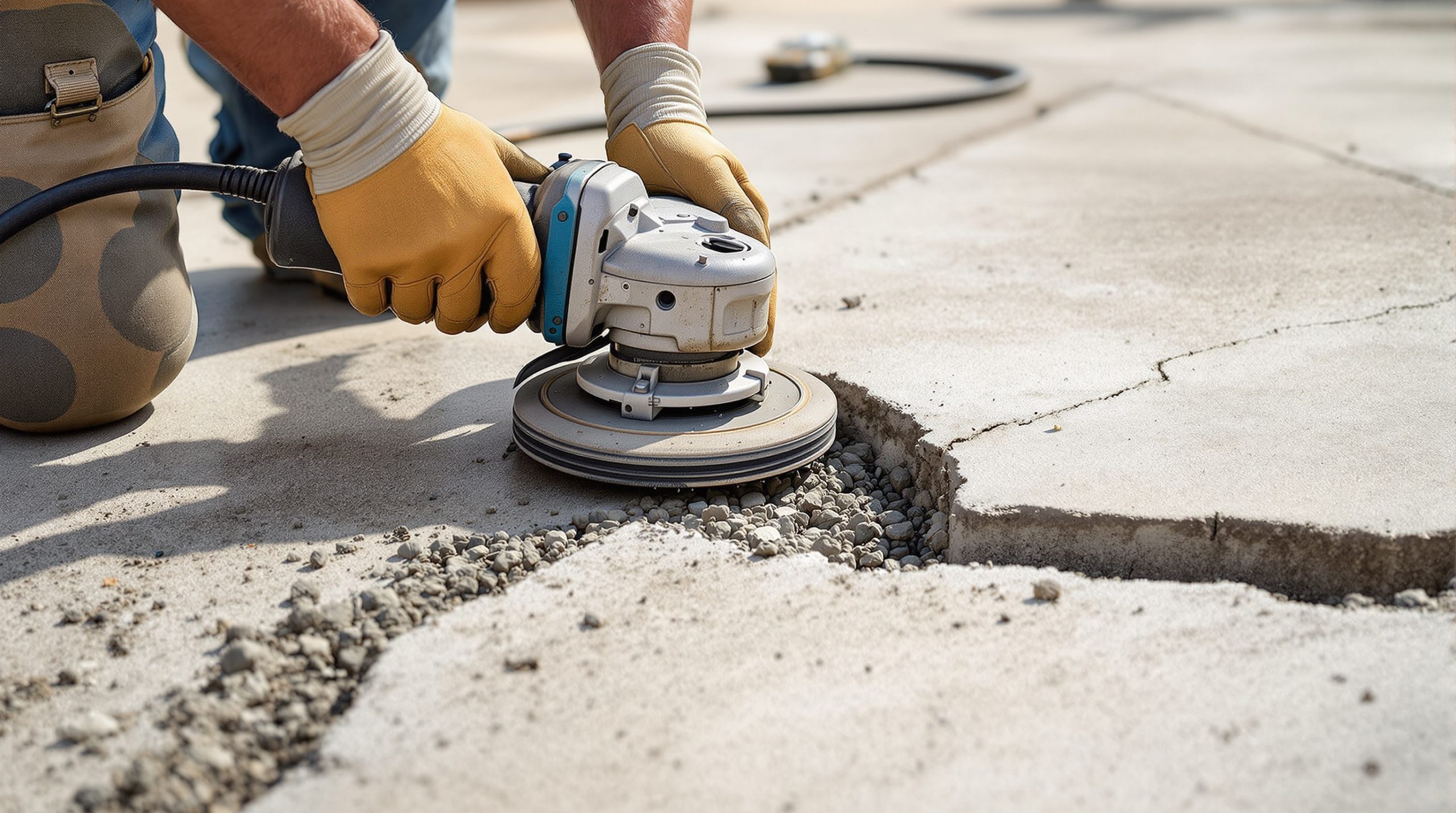
A sample of finished concrete work from across inland North County.
Questions San Diego County Homeowners Ask Before Calling
How much does a concrete fire pit cost in San Diego County?
Is a permit required for a fire pit in San Diego County?
What is the required setback distance for a fire pit from my house?
Why does a fire pit need a poured concrete footing?
Gas or wood-burning fire pit, which should I choose?
Can you add a fire pit to my existing patio or pool deck?
How long before I can use my new fire pit?
Related Concrete Services
Fire pits often pair with patio, pool deck, or seat wall work elsewhere on the property. Same crew, same written-quote standard.
Let's Look at Your Fire Pit Project
Free on-site quote, written before we start, honored when we finish. No pressure, no obligation, just an honest look at what your fire pit needs.
Licensed & insured (CSLB #1026938) · BBB accredited #1087327 · Serving all of San Diego County from Poway